Home Office Furniture Wood: An Investment Buyer’s Guide


A lot of home offices started as temporary fixes. A spare bedroom got a folding table. A dining chair pulled double duty. A printer landed on a shelf that was never meant to carry much weight. Then the “for now” setup stayed.
That's usually the moment homeowners start looking at home office furniture wood differently. The question stops being “What can I get quickly?” and becomes “What will still look right, feel solid, and work hard five or ten years from now?”
Wood matters because a home office has to do two jobs at once. It has to support real work every day, and it has to belong in your home. A desk isn't just a platform for a laptop. It may need to handle monitor arms, drawers, charging accessories, paperwork, and the visual pressure of being in a room you see all the time. That's where material choice stops being decorative and starts becoming practical.
Creating a Home Office That's Built to Last
A lasting workspace usually begins with one shift in mindset. Stop furnishing a corner. Start designing a room that supports the way you work now.
That changes what you notice. You start looking at how a top feels under your hands, whether drawers close cleanly, whether the finish works with the flooring, and whether the desk will still make sense if you add storage later. You also start asking better questions about construction, not just color.
For many homeowners, solid wood becomes the anchor because it solves several problems at once. It offers visual warmth, it fits naturally into both traditional and cleaner modern interiors, and it gives you a material that can age with dignity instead of looking tired after a short run of daily use.
What “built to last” actually means
In a home office, durability isn't abstract. It often comes down to details like these:
- Surface performance: Can the top handle regular use without feeling flimsy?
- Structural confidence: Will the desk stay stable under monitors, lamps, and office equipment?
- Repairability: Can small scratches, dents, or finish wear be addressed over time?
- Design staying power: Will the piece still belong in your home when paint colors, rugs, or hardware change?
A well-made wood office feels settled. It doesn't wobble when you lean in for a call. It doesn't look disposable. It becomes part of the architecture of the room.
A good desk should do more than hold your computer. It should quiet the room visually and support the way you work without asking for attention every day.
If you're comparing layouts, desk styles, or storage options, this home office furniture guide is a useful starting point for seeing how complete workspaces come together.
Why Solid Wood Is the Gold Standard for Your Workspace
The strongest argument for wood isn't nostalgia. It's performance, preference, and daily experience.
In the United States home office furniture market, wood accounted for 41.35% of market size in 2025, making it the leading material in the category according to Mordor Intelligence's United States home office furniture market report. That matters because it shows buyers aren't treating wood as a rare specialty choice. They're choosing it more than any other material.
Why buyers keep coming back to wood
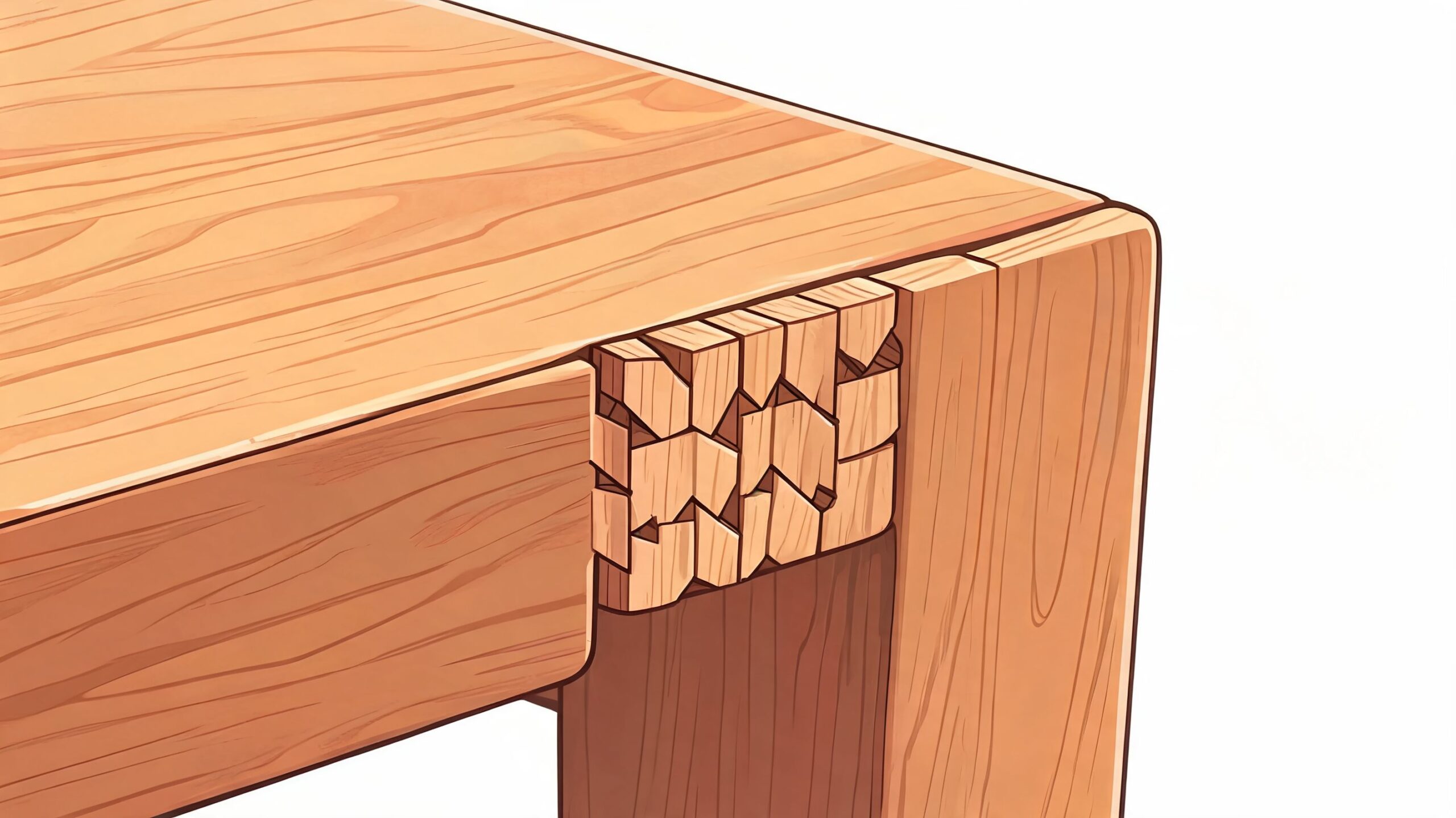
Wood succeeds in a home office because it brings together qualities that are hard to get from look-alike materials.
- Durability with presence: Solid wood has physical substance. It tends to feel grounded rather than hollow.
- Natural variation: Grain, tone, and figure keep a workspace from feeling sterile.
- Long-term appeal: A wood desk can move from office to library, guest room, or study without looking out of place.
Those are practical benefits, not just style preferences. The desk you see every day affects how the room feels to use.
Wood changes how a room is perceived
A peer-reviewed study on wooden office spaces found meaningful differences in how people evaluated a room and how willing they were to use it. Light wood-colored offices had the highest mean rank for usage willingness at 105.29, followed by medium wood at 99.04 and dark wood at 72.31, with differences significant at p = 0.002, as reported in the study published on PMC. The study also found that lower wood coverage and lighter to medium tones were generally preferred.
That finding helps explain something designers see all the time. A home office doesn't need to be covered in wood to benefit from it. Often, one strong desk, a storage piece, or open shelving in the right tone gives the room warmth without making it feel heavy.
Design note: If a room feels small or gets limited daylight, lighter or medium wood tones usually create a more inviting workspace than very dark finishes.
If you want to compare makers and construction approaches before you shop, this overview of solid wood furniture brands can help you look past surface styling and focus on what is built well.
Decoding Wood Types and Real-World Durability
After deciding that wood is the ideal material, you must determine which specific type suits your desk, storage, or shelving needs. Many shoppers find this choice difficult because “wood” can represent significantly different qualities in daily use.
The short version is simple. Some woods are chosen because they take impact well. Some are chosen because they bring a refined look. Some are chosen because they age in a distinctive way that people love more over time.
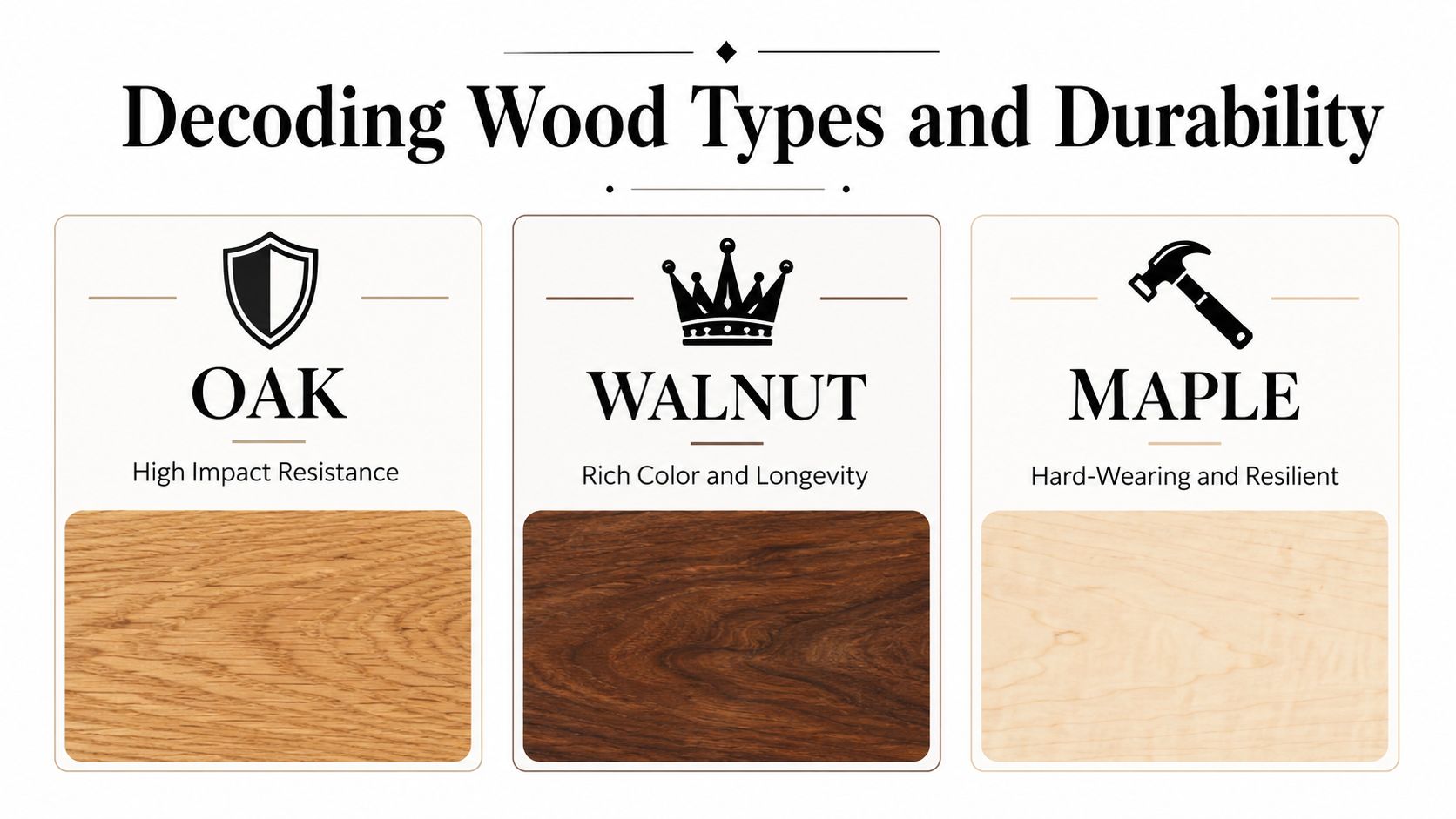
Oak, walnut, and cherry in everyday terms
Among commonly recommended desktop woods, oak is a benchmark for high durability, while walnut is prized for its high-end appearance and good resistance to dents and scratches, based on this wood desktop guide. Cherry is valued for its workability and for the way its color deepens over time.
Here's how that usually translates in a real home office:
| Wood type | What it's known for | Best fit for |
|---|---|---|
| Oak | Strong durability, dependable finishability, visible grain | Busy family homes, daily work use, classic or transitional spaces |
| Walnut | Rich appearance, refined feel, good dent resistance | Executive-style offices, tailored modern rooms, investment pieces |
| Cherry | Smooth workability, graceful color change over time | Traditional studies, warm interiors, homeowners who like patina |
Maple often enters the conversation too, especially for people who want a cleaner, harder-wearing look. It can suit a more restrained room where the desk should feel crisp rather than ornate.
Thickness matters more than many buyers realize
A desk top isn't only a visual slab. It's a span carrying weight over time.
For a solid-wood desk, a practical benchmark is 1.5 to 2.25 inches thick, and many setups with computers across wider spans do well at 1.75 to 2.0 inches, according to this desk thickness guide. In that same guide, a 40 mm (1.5 inch) top is associated with roughly 100 kg capacity, while 50 mm+ (2+ inches) tops are positioned for 100 kg+ loads and heavier-use setups.
That's the engineering side of home office furniture wood. Thicker tops increase stiffness, reduce visible sag over time, and handle concentrated loads better. If you're using a laptop and paper notebook, a thinner top may be enough. If you're planning for dual monitors, a monitor arm, speakers, or a desktop computer, thicker construction becomes a smart long-term choice.
If you're buying one desk to last through changing tech setups, don't size it only for today's equipment.
Solid wood, veneer, and engineered wood aren't the same conversation
Many product descriptions blur these categories, and buyers end up assuming all “wood desks” perform similarly. They don't.
- Solid wood: Better suited to long-term refinishing and touch-up. It usually offers the strongest sense of depth and authenticity.
- Veneer over quality core: Can be beautiful and stable when made well, especially for certain designs and larger surfaces.
- Engineered wood: Often serves a value role, but longevity, edge wear, and repair options vary widely.
The practical question isn't whether one category is always good or bad. It's whether the construction matches your expectations. If you want an heirloom-style desk that may be repaired and refinished, solid wood gives you the clearest path.
For a deeper look at species, grain, and wear patterns, this guide to choosing the right hardwood for longevity and style is worth reading before you make a final material decision.
Balancing Style and Scale for a Cohesive Look
A good office doesn't feel like a showroom display dropped into a room. It feels proportionate. The wood tone, desk profile, and storage height all need to relate to the architecture around them.
That starts with style, but not in the trend-driven sense. Start with the room you already have. A clean-lined condo office might want a quieter walnut desk with simple hardware. A traditional home with trim and warmer flooring may feel more natural with oak or cherry and more visual weight in the base.
Match the wood to the feeling of the room
Different woods and finishes create different moods:
- Light finishes: Airier, more open, often easier in smaller rooms.
- Medium tones: Balanced and flexible, especially if the office connects visually to nearby living spaces.
- Dark finishes: Formal and rich, but they need enough light and space to breathe.
Texture matters too. A smooth, hand-finished walnut top reads differently from a more tactile oak surface with visible grain. Neither is automatically better. The right one depends on whether you want the office to feel refined, rustic, architectural, or subtly classic.
Scale fixes more design mistakes than style does
Homeowners often focus on the desk first and the room second. That's backwards. Measure the room, note window placement, track door swings, and think about what happens when the chair is pulled out.
A few reliable rules help:
- Leave breathing room: The desk should fit the wall, not consume it.
- Watch vertical balance: Tall bookcases need enough ceiling height and enough visual width nearby to feel intentional.
- Think in layers: Desk, chair, storage, lighting, and rug should read as one composition rather than five unrelated purchases.
Oversized furniture can make a room feel tense. Undersized furniture can make it feel temporary.
If you're unsure, a simple paper sketch with dimensions is often enough to reveal whether the room wants one substantial desk and low storage, or a lighter desk paired with shelving elsewhere.
Customizing Your Perfect Desk and Storage Solution
Most people don't need a “standard office set.” They need a desk sized for one wall, storage that fits a specific workflow, and finishes that belong with the rest of the house.
That's where custom work becomes practical instead of extravagant. A custom desk can solve ordinary problems beautifully. Maybe you need one pedestal instead of two so the chair has more movement. Maybe you want file storage hidden behind doors because the office is visible from a hallway. Maybe your printer needs a dedicated pullout, or you want a bookcase that aligns with a window casing instead of fighting it.
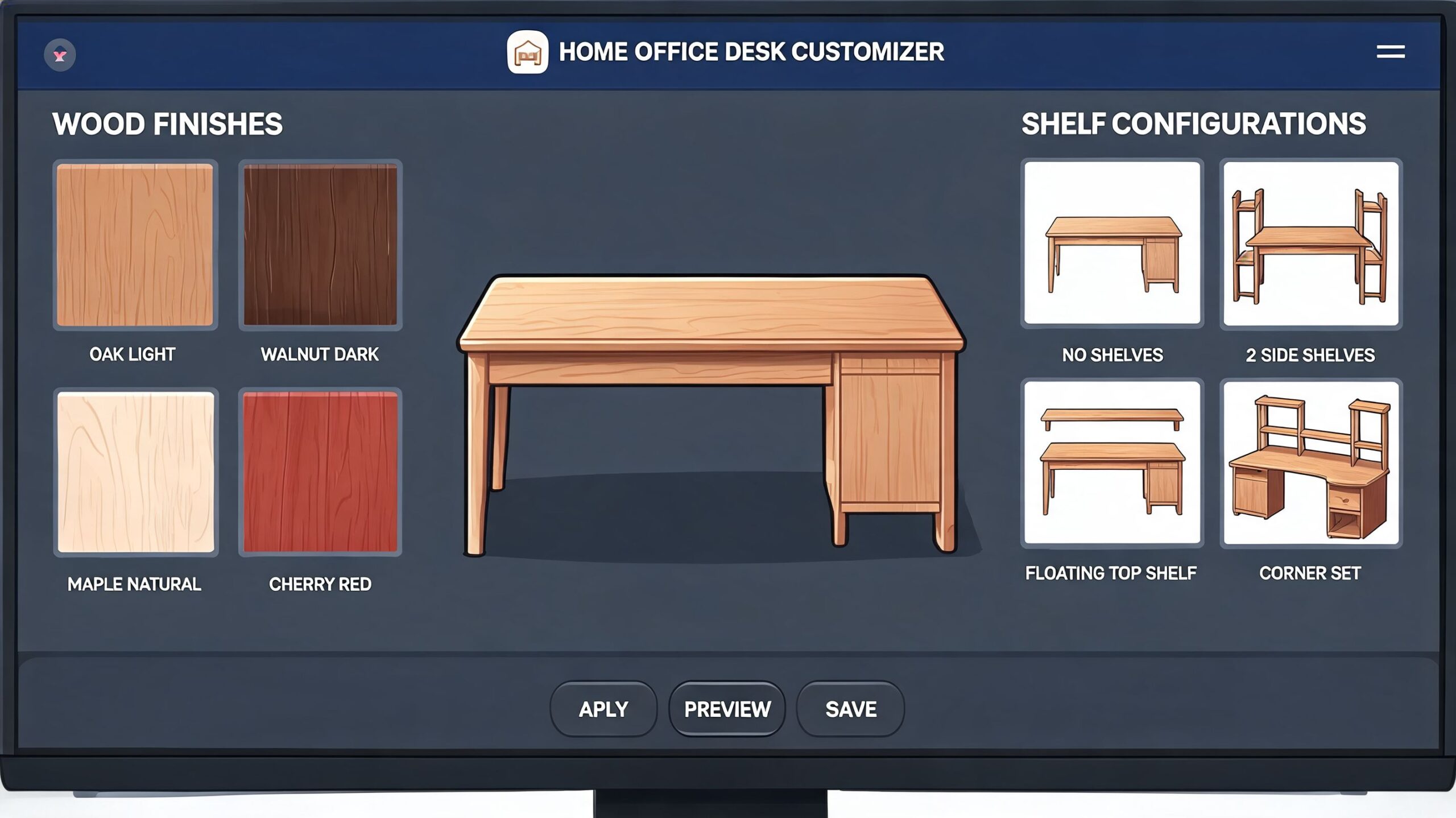
A custom order usually starts with function
Before anyone talks stain color, a good designer asks how you work.
You might choose:
- An executive desk if you need visual presence, enclosed storage, and a formal room.
- A writing desk if the office is smaller and you want a lighter footprint.
- A return or L-shape if your work involves spreading out paperwork or separating computer work from writing.
- A wall system or credenza pairing if storage matters as much as the desktop.
Then the material choices sharpen the result. Oak can keep a hard-working office honest and durable. Walnut can make a room feel more refined. Cherry can soften a traditional space and age gracefully.
Where customization makes the biggest difference
A thoughtful custom order can address details that mass-market office furniture often ignores:
- Exact dimensions so the desk fits the wall and leaves circulation space
- Wood species and finish that work with flooring, trim, and nearby rooms
- Hardware selection that shifts the style from modern to classic
- Storage configuration for files, printers, office supplies, or display
- Cable planning so technology doesn't undermine the look of the piece
One option homeowners in Central Ohio can explore is custom-made office furniture from Vinson Fine Furniture, where the Custom Order Program includes finish and configuration choices, along with digital 3D visualizers that let you preview a piece before it's built.
Practical rule: Customization is most useful when it solves a room problem. Better fit, smarter storage, cleaner proportions. That's what makes a custom piece feel worth it.
Using Our In-Store Design Studio for Expert Guidance
A lot of hesitation around better furniture comes from one worry. People don't want to make an expensive mistake.
That's why an in-person design conversation helps so much. You can bring room dimensions, photos, flooring samples, even a cabinet pull or paint chip, and work through the project with someone who understands proportion, finish relationships, and how a desk will live in the room.

What a consultation can help you solve
A strong design consultation isn't about pushing a matching set. It's about resolving decisions that are hard to judge from a screen.
That often includes:
- Room planning: How large the desk should be and where storage belongs
- Material selection: Which wood species and finish will feel right in your light
- Chair coordination: How to pair wood furniture with upholstery, leather, or performance fabrics
- Visual balance: Whether the room needs one statement piece or several quieter ones
For homeowners visiting Easton Town Center, this kind of hands-on review can be especially useful because wood samples and finish chips look different in person than they do online. Grain character, undertone, and sheen are easier to judge when they're right in front of you.
Why this matters for investment furniture
A well-made desk should feel considered from every angle. The finish should make sense with the flooring. The size should support the room. The storage should match the way you work. Those things are easier to get right when someone helps you narrow the field and spot problems early.
That's what the In-Store Design Studio and Complimentary Design Consultations are there for. If you're furnishing a full office, that guidance can save real frustration. If you're choosing one signature desk, it can keep the piece from feeling too heavy, too small, or just slightly wrong once it arrives.
Making Your Investment with Confidence and Ease
Investment furniture should come with clarity. You should know what you're buying, what value you're getting, and how the piece will reach your home.
That's where the practical side of the purchase matters just as much as the design side. For many homeowners, confidence comes from knowing there are protections in place and that the process won't end with a large carton on the driveway.
The details that reduce purchase anxiety
Several services make a higher-quality purchase easier to complete:
- Low Price Guarantee: If you find a lower price at a local authorized dealer within the stated window, the program offers a 110% refund of the difference.
- Clearance Gallery: Shoppers can find floor samples, overstocks, and closeouts with savings up to 70%.
- Flexible Financing: Synchrony HOME financing can help spread out the purchase on qualified plans.
- White-Glove In-Home Delivery: Delivery includes placement, assembly, and packaging removal, which matters when you're buying heavier wood case goods.
Those details matter because a solid-wood desk or bookcase isn't an impulse item. It's a considered purchase, and the buying experience should reflect that.
After delivery, care protects the investment
Even a durable wood piece benefits from steady care. Keep surfaces clean, use felt where needed, and protect the finish from unnecessary moisture and heat. If you want a practical primer, this wood furniture care guide covers the habits that help preserve appearance over time.
A well-chosen wood office doesn't just solve today's work setup. It gives you a room that feels finished, useful, and worth keeping.
If you're ready to create a workspace that feels permanent, polished, and engineered for real daily use, visit Vinson Fine Furniture at Easton Town Center. You can explore solid wood furniture Ohio shoppers look for when they want lasting quality, discuss custom dining sets and office pieces through the Custom Order Program, work with the In-Store Design Studio during a Complimentary Design Consultation, and review value options including the Low Price Guarantee, the Clearance Gallery, flexible financing, and White-Glove In-Home Delivery. Whether you're shopping for a home office, Amish-made furniture, or even planning a broader furniture update in a Furniture store Columbus Ohio homeowners trust, seeing the materials in person makes the decision much easier.