Poplar Wood for Furniture: Pros, Cons & Uses


You’re standing in a showroom or scrolling through product details, and the same question keeps coming up. What wood should I choose if I want furniture that looks refined, lasts well, and still feels like a smart investment?
Oak gets talked about a lot. Maple sounds dependable. Cherry has a reputation for beauty. Then poplar shows up, often with a mixed reputation that leaves homeowners unsure what to do with it.
That hesitation makes sense. Poplar doesn’t have the prestige language that follows some premium hardwoods. But in custom furniture, that’s often the wrong lens. Skilled furniture makers don’t choose one wood because it wins every category. They choose the right wood for the right role.
That’s where poplar gets interesting.
In the studio, I think of poplar wood for furniture the way a builder thinks about a well-designed support system. It may not always be the flashy surface everyone notices first, but it often makes the whole piece more practical, more stable, and more cost-conscious without looking compromised. In painted furniture especially, poplar can be a smart wood. It gives you a smooth, elegant finish and strong everyday function without forcing you to pay for showy grain you plan to cover anyway.
If you’ve been weighing species and trying to decode the differences, this guide will help. You’ll see where poplar excels, where it asks for a little caution, and why many homeowners end up choosing it on purpose, not by compromise. For a broader primer on species selection, this guide on choosing the right hardwood for longevity and style is a helpful companion.
The Enduring Appeal of Solid Wood Furniture
Solid wood furniture keeps its appeal because it feels grounded. Drawer fronts have substance. Table edges carry visual weight. A bed or cabinet made from real wood doesn’t just occupy space. It gives a room permanence.
For an investment homeowner, that matters. You’re not only choosing a look. You’re choosing how a piece will age, how it will handle daily use, and whether it still feels right years from now.
Why wood choice changes the whole result
Many shoppers assume wood selection is mostly about color. It’s more than that.
The species affects:
- Surface character: Some woods show strong grain. Others look quieter and smoother.
- Finish direction: Certain woods look best stained. Others are far better under paint.
- Weight and handling: A lighter wood can make large case pieces more manageable.
- Construction strategy: One wood may be ideal for exposed surfaces, while another works better for interior structure.
That last point is where confusion usually starts. People hear “hardwood” and assume every hardwood behaves the same way. It doesn’t.
Poplar isn’t the obvious choice. That’s part of its value
Poplar is technically a hardwood, but it behaves differently from oak or maple. It has a softer feel and a more understated look. That sounds like a drawback until you match it to the right application.
An analogy illustrates this point: If oak is the wood you choose when you want the grain to be part of the visual statement, poplar is the wood you choose when you want the form, color, and finish to lead.
Poplar often earns its place not by trying to look like oak, but by doing a different job better.
That’s why experienced furniture designers use it strategically. A painted bookcase, a custom media console, a cabinet interior, a dresser case, or the hidden structural parts of a larger piece can all be excellent uses for poplar.
For homeowners in Columbus who want solid wood furniture Ohio homes can live with comfortably through changing seasons, that distinction matters. The smartest furniture choices aren’t always the most obvious species on the tag. They’re the ones matched carefully to how the piece will be used.
Understanding Poplar A Hardwood with a Softer Side

Poplar confuses people because its name and behavior seem to pull in two directions. It’s a hardwood, which means it comes from a deciduous tree. But in furniture use, it often feels softer and easier-working than many buyers expect from that label.
That doesn’t make it inferior. It makes it specialized.
What poplar looks like
Poplar usually has a straight, even grain. The texture is fine to medium, and the surface tends to look calm rather than dramatic.
Its color can vary more than people expect:
- Creamy white or pale yellow areas are common.
- Green or grayish tones often appear in the heartwood.
- Purple or mineral streaks can show up too.
If you’re planning a clear finish, that color variation can be a challenge. If you’re planning paint, it becomes far less important.
This is one reason poplar is often such a practical material. It gives makers a stable, workable base without charging you for decorative grain that won’t be the star of the final piece.
The numbers that explain the reputation
Poplar sits in a useful middle ground. It’s softer than many famous furniture woods, but it still has solid structural ability for interior furniture work.
According to this review of poplar wood sustainability and properties, poplar has a Janka hardness rating of 540 lbf, while oak is listed at 1,350 lbf. The same source notes that poplar’s Modulus of Rupture can reach 9,230 lbf/in², which is more than adequate for interior furniture structures such as drawer parts and cabinet boxes.
That’s the distinction buyers need to understand. Hardness tells you about dent resistance. It doesn’t tell the whole story of whether a wood can serve well inside a quality furniture build.
If you want a deeper breakdown of what those hardness figures mean in real buying terms, this article on poplar wood hardness lays it out clearly.
Where buyers often get tripped up
The biggest mistake is assuming “softer” means “weak.” It doesn’t.
A better way to think about poplar is this:
- For painted exteriors: It’s often a strong candidate because the grain stays visually quiet.
- For hidden structural parts: It performs well because it offers useful strength without excessive weight.
- For highly visible stained showpieces: It’s usually not the first choice, because the natural color can look inconsistent.
Practical rule: If you want the beauty of the wood grain itself to be the headline, look elsewhere first. If you want shape, finish, and value to work together, poplar deserves a serious look.
That’s why many custom pieces use poplar as the canvas rather than the centerpiece. In the right role, it’s not a compromise. It’s good design judgment.
The Pros and Cons of Choosing Poplar Furniture
Poplar works best when you judge it by fit, not by mythology. If a homeowner expects every wood to behave like oak, poplar can seem underwhelming. If that same homeowner wants a smooth painted finish, strong interior structure, and better value, poplar starts to look very well chosen.
Where poplar earns its keep
Some woods ask the maker to fight them. Poplar usually doesn’t.
Its appeal comes from a combination of workability, reasonable strength, and finish flexibility. That combination makes it useful in custom dining sets, painted bedroom furniture, shelving, cabinetry, and upholstered frames.
The advantages
- Smooth paint potential: Poplar’s grain is usually straight and visually even, so painted finishes tend to look clean and refined rather than busy.
- Good value in the right build: Using poplar for paint-grade or secondary components lets homeowners put budget where it counts most, such as tabletops, seating comfort, hardware, or premium upholstery.
- Efficient to fabricate: It machines, glues, and nails well, which helps furniture makers build precise components with less drama during production.
- Helpful strength-to-weight balance: It’s a practical choice for interior furniture parts that need to support use without making the whole piece unnecessarily heavy.
- Stable when properly dried: Once a piece is made from well-conditioned lumber, poplar can be a dependable part of a long-lasting construction plan.
There’s also a buyer lesson hidden here. A furniture piece doesn’t have to be made from one species throughout to be well built. Mixed-species construction can be thoughtful and durable when each material is chosen for what it does best.
Where poplar asks for caution
The softness is real, and it’s the first thing an honest guide should mention.
The trade-offs
- It dents more easily: On high-impact areas, poplar is less forgiving than oak or maple.
- Its color can be uneven: If you want a light stain or a natural finish, the green and gray tones can be difficult to turn into a refined final look.
- It needs finish protection: Poplar’s heartwood isn’t naturally durable enough to leave unprotected in a furniture context.
- It rewards good craftsmanship: Drying, milling, sanding, and finishing all matter. Poor execution shows quickly.
For homeowners, the question isn’t “Is poplar perfect?” No wood is. The better question is “Is poplar right for the visible surfaces, structural parts, and finish plan of this piece?”
A quick comparison mindset
Here’s a practical way to evaluate it against alternatives.
| Decision Factor | Poplar | Oak or Maple | Pine |
|---|---|---|---|
| Visible grain statement | Quiet | Stronger visual identity | Rustic or knotty |
| Painted furniture | Strong choice | Often more wood character than needed under paint | Common, but can feel less refined |
| Dent resistance | Lower | Higher | Lower |
| Interior framework | Very practical | Strong, but may cost more than necessary | Often less substantial-feeling |
| Natural or stained appearance | Less predictable | Usually better choice | Style-specific |
If you’re deciding between solid wood and lower-tier manufactured options, this breakdown of engineered wood vs particle board can also help clarify where real wood construction changes the long-term feel of a piece.
Poplar makes the most sense when you’re paying for craftsmanship, joinery, and finish quality, not just for a famous species name.
Who should choose poplar
Poplar often fits buyers who want:
- Painted cabinetry or case goods with a smooth, upscale surface
- Custom dining sets that combine one species for structure and another for wear surfaces
- Solid wood furniture Ohio homes can use daily without paying premium pricing for hidden parts
- Amish-made furniture or custom builds where species are selected strategically rather than uniformly
Who may want a different wood
Another species may serve you better if you’re set on:
- A stained heirloom table where grain pattern is the feature
- A high-contact family table edge that will take repeated impacts
- A natural wood bedroom suite where color consistency matters as much as structure
That’s the balanced view. Poplar isn’t the hero of every furniture story. But in the right design, it’s one of the smartest supporting materials you can choose.
Poplar Compared to Other Popular Furniture Woods

A lot of furniture decisions become easier once you stop asking which wood is “best” and start asking which wood is best for this piece.
A dining table that will be stained and used hard every day has different needs than a painted media cabinet. A bookcase doesn’t ask for the same surface performance as a kitchen table top. That’s why poplar belongs in the comparison, even when oak and maple get more attention.
The quick-reference table
According to this overview of poplar wood properties and uses, poplar has a Janka hardness of around 540 lbf, compared with white oak at 1,200 lbf and cherry at 950 lbf. The same source notes that poplar’s workability and low density help reduce production costs by 20-30% in some applications, while also providing a strong paint surface.
Here’s a practical shopping view.
| Wood Type | Hardness (Janka) | Typical Cost | Best For | Painting/Staining |
|---|---|---|---|---|
| Poplar | 460-540 lbf | Lower to mid-range value | Painted furniture, interior structure, frames | Excellent for paint, less predictable for clear or light stain |
| Oak | 1,200-1,350 lbf | Mid to premium | Dining tables, chairs, stained furniture, long-wear surfaces | Strong for stain, grain shows through paint |
| Maple | 1,400+ lbf | Premium | High-wear tops, dressers, clean-lined fine furniture | Good for clear finishes, also used for paint-grade applications |
| Pine | Qualitatively soft | Value-oriented | Rustic pieces, casual furniture, painted or distressed looks | Often painted, style depends on knots and character |
How this plays out in real rooms
A homeowner designing a painted sideboard often doesn’t need oak’s bold grain. In fact, paying for that grain can work against the finish direction. Poplar makes more sense there. The final look can read crisp, precise, and custom because the wood isn’t competing with the paint.
A stained dining table is different. That’s where oak or maple often justifies its higher profile. The wood itself becomes part of the visual experience every time you sit down.
If you’re shopping tabletops and trying to understand where species choices matter most, this guide to solid wood dining tables is a useful next read.
A designer’s way to choose
I often tell homeowners to judge each wood by three questions:
- Will you see the wood grain, or will the finish cover it?
- Will this surface take repeated impact, or mostly provide structure?
- Do you want your budget in species prestige, or in customization and craftsmanship?
That third question changes a lot. In custom work, spending wisely can create a more satisfying final piece than spending uniformly.
Oak and maple often win the spotlight. Poplar often helps the project make sense.
That’s why you’ll see thoughtful mixed-material builds. A piece might use a harder species where touch and wear are constant, while poplar handles painted surfaces or internal structure with confidence. For buyers comparing furniture store Columbus Ohio options, that’s an important marker of quality. Good furniture isn’t only about one expensive species repeated everywhere. It’s about design choices that respect both use and value.
Where Poplar Shines Best Uses in Heirloom-Quality Furniture

A homeowner walks into our Easton studio wanting a built-in in a crisp painted finish, a dresser that feels custom, or a media console sized to the room instead of the showroom. In those projects, poplar often makes the smartest kind of contribution. It gives the maker a stable, cooperative wood that supports clean lines, strong joinery, and a polished painted surface without forcing the budget into a premium species everywhere.
That is why I think of poplar as a smart wood. It is not trying to win on dramatic grain. It wins by making the whole piece work better.
Painted case goods and cabinetry
Poplar shines in furniture where color, proportion, and detailing carry the design. A bookcase in soft white, a deep green office credenza, or a charcoal media cabinet all depend on a smooth, consistent surface. The eye should notice the profile, the panel layout, and the hardware first.
Poplar helps create that effect because its grain stays visually quiet. On flat drawer fronts, framed doors, and long face frames, that restraint matters. A busier wood can pull attention away from the shape of the piece. Poplar lets the finish read clean and intentional.
For investment homeowners, that can be a very good trade. You are putting more of the budget into fit, scale, storage function, and craftsmanship instead of paying for figure that will disappear under paint anyway.
Drawer parts, cabinet boxes, and hidden structure
Some of the best decisions in furniture are the ones you never see.
Drawer sides, web frames, cabinet interiors, and support parts do the steady work of keeping a piece square, usable, and pleasant to live with. Poplar suits those jobs because it machines cleanly, glues well, and behaves predictably in the shop. A furniture maker wants a wood that cuts accurately and assembles without fighting the design. Poplar usually does that.
As noted in this summary of poplar wood properties and applications, kiln-dried poplar is valued for dimensional stability and strong glue bonding, which helps explain why it appears so often in framework and other structural parts.
Especially practical uses include:
- Drawer boxes and drawer sides, where smooth operation and stable joinery matter more than showy grain
- Cabinet interiors and web frames, which need accurate machining and long-term alignment
- Paint-grade dressers and nightstands, where the finished appearance stays refined while the structure stays cost-conscious
- Bases and support components for mixed-species pieces, where a painted element can pair with a harder wood top or wear surface
A custom piece works a lot like a well-built house. You notice the finish details first, but the long-term satisfaction comes from what is framed correctly behind the walls.
Why poplar works so well in custom furniture
Custom furniture is rarely about choosing the most expensive wood for every part. It is about assigning the right material to the right job.
A dining table base is a good example. If the base will be painted, poplar can be an excellent choice because it shapes well and finishes smoothly. If the top will take daily impact from dishes, homework, and serving pieces, a harder species can handle that wear better. Used together, those choices can create a piece that feels substantial, looks refined, and stays within a more thoughtful budget.
The same logic applies to bedroom furniture, built-ins, and home office storage. Poplar often serves as the reliable canvas. Better hardware, stronger joinery, better proportions, and a finish schedule matched to the piece can then do more of the work that owners feel over time.
Finishing makes the strategy visible
Poplar rewards careful finishing. That matters most in painted work, where every small surface flaw has a way of showing up once color is applied. Good prep, proper sanding, and the right primer and topcoat system are part of what makes a custom poplar piece feel calm and finished instead of mass-produced.
Homeowners who want a painted piece to stay looking sharp should also understand the care side. Our guide on how to care for wood furniture explains the habits that help protect the finish after the piece comes home.
At Vinson Fine Furniture, these choices are part of the design conversation. A client may choose poplar for a painted exterior, another species for a high-contact top, and specific hardware or interior layouts that fit the room. That is where poplar proves its value. It helps turn custom furniture into a strategic investment, with heirloom-level intention in the places that matter most.
Making Poplar Last A Guide to Durability and Maintenance
The most common objection to poplar is simple. It’s softer, so people assume it can’t be durable enough for long-term furniture.
That skips an important truth. Furniture durability comes from the combination of species, construction, and finish. Poplar’s finish matters a great deal, and that gives homeowners more control than they may realize.
Finish is not a cosmetic extra
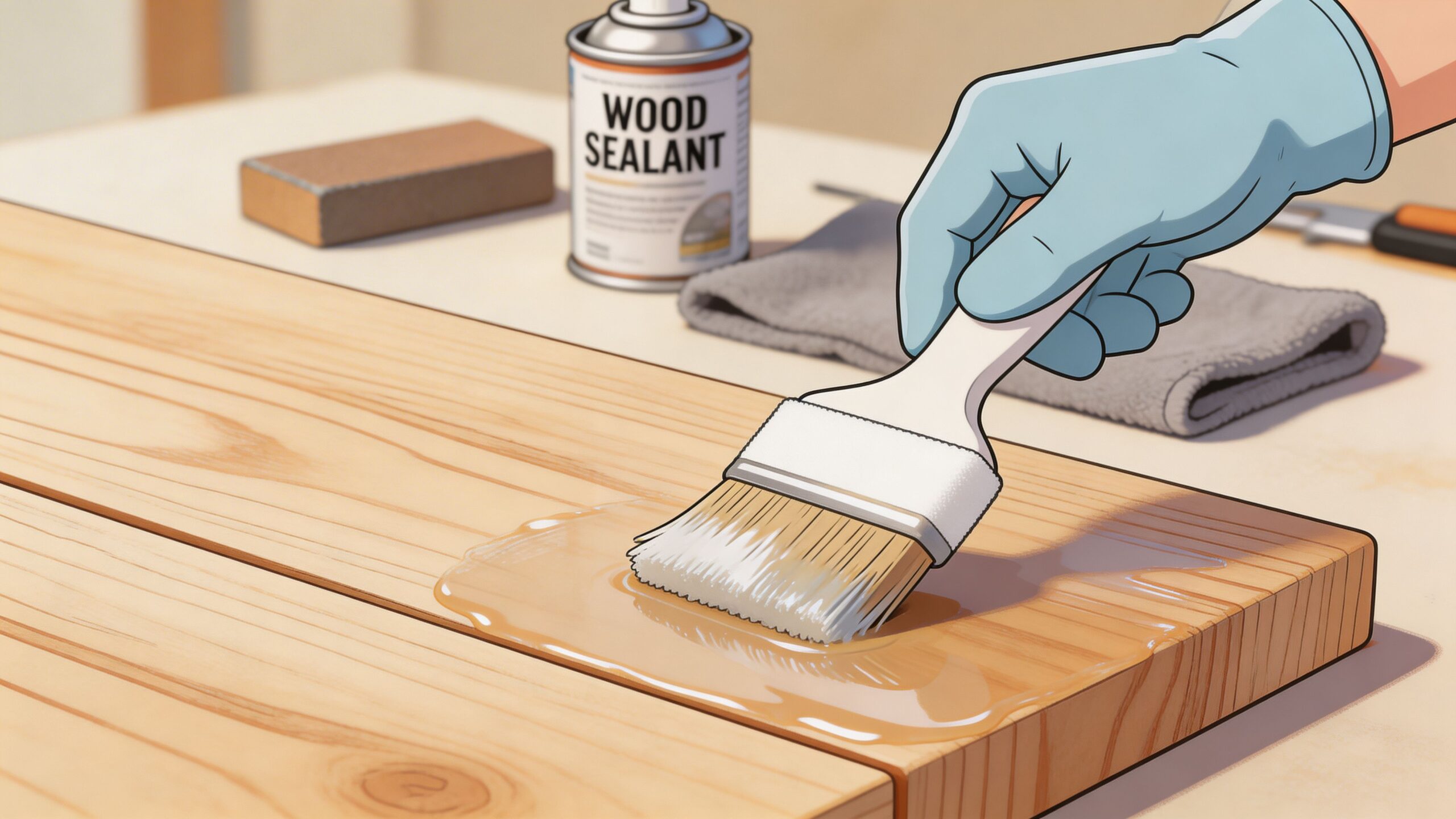
According to this article on whether poplar is a good choice for furniture, poplar has a Janka hardness of 540 lbf, and its long-term durability is strongly influenced by its finish. The same source notes that a quality sealant such as polyurethane can significantly improve rot resistance, and in hybrid builds where poplar serves as a core or frame paired with a hardwood veneer, lifespan can exceed 20+ years.
That matters because many well-designed furniture pieces don’t rely on raw wood alone for protection. They rely on finishing systems that help shield the surface from moisture, everyday contact, and seasonal change.
What good care looks like at home
You don’t need a complicated maintenance routine. You need consistent habits.
- Dust gently: Use a soft, dry cloth rather than anything abrasive.
- Wipe spills promptly: Painted and sealed furniture still benefits from quick cleanup.
- Avoid repeated impact: Poplar handles normal use well, but it’s wise to protect edges from constant bumps.
- Use pads and barriers: Felt pads, coasters, and placemats reduce unnecessary wear.
- Keep placement sensible: Avoid leaving furniture in persistently damp conditions.
For a practical maintenance refresher, this guide on how to care for wood furniture is worth saving.
The heirloom question
Heirloom quality doesn’t mean a piece must be made from the hardest wood available. It means the design, joinery, materials, and finish all support long life.
A painted dresser, bookcase, or cabinet can absolutely fit that standard when it’s well built and properly protected. Poplar may not be the species I’d pick for every exposed tabletop in a busy household, but that doesn’t disqualify it from heirloom use. It means you match it to the right role.
A softer wood with excellent design and a disciplined finish will usually outlast a poor design made from a harder species.
That’s the part many buyers miss. The smartest furniture decisions don’t come from chasing the hardest number on a chart. They come from choosing a construction plan that respects how the piece will live in your home.
Design Your Perfect Piece at Vinson Fine Furniture
A couple walks into our Easton Town Center studio with three things. Room photos, paint swatches, and a budget they want to respect. They love the idea of solid wood furniture, but they do not want to pay for a species whose biggest strength they will cover with paint.
That is often where poplar becomes the smart answer.
Poplar gives custom furniture a strong starting point for painted finishes, built-ins, dressers, media pieces, and other designs where clean lines matter more than a bold grain pattern. In a custom plan, it can also work alongside harder or more decorative woods, so you spend money where it will be seen and felt most.
What a smart custom plan can look like
A good furniture plan works a lot like a kitchen plan. You do not choose the same material for every surface just because it exists. You choose each one for the job it needs to do.
With furniture, that might mean using poplar for a painted base, cabinet body, or storage piece, then selecting another wood where extra surface resistance or a more expressive grain makes sense. That approach can be a strong fit for painted consoles, custom storage, dressers, and selected Custom dining sets. The result is a piece that looks refined, performs well, and stays within a more thoughtful budget.
In our In-Store Design Studio, those decisions get clearer once you can compare samples side by side. A complimentary design consultation helps you sort through wood species, finishes, room scale, and daily use before you place an order.
What usually helps homeowners decide
Homeowners making a long-term furniture purchase usually need four things.
- Clear customization options: The Custom Order Program lets you choose fabrics, finishes, and configurations, and 3D visualizers make it easier to see how those choices work together before production.
- Design guidance: Studio conversations help with scale, finish pairing, and room coordination. That is often the point where the right material choice becomes obvious.
- Practical value: The Low Price Guarantee offers a refund of the difference if you find a lower price at a local authorized dealer within the stated terms, and the Clearance Gallery can offer meaningful savings on select pieces.
- An easy buying process: Flexible Financing through Synchrony HOME and White-Glove In-Home Delivery reduce the stress that often comes with ordering larger furniture.
Why this matters for Columbus shoppers
For shoppers comparing Columbus, Ohio furniture stores, the key difference is not just how many pieces are on the floor. It is whether someone can help you choose the right material for the way you live.
That matters even more if you are furnishing multiple rooms at once. A painted bedroom piece, a custom storage wall, and a dining table do not all need the same wood. Poplar often earns its place because it gives you a clean, stable, paint-friendly foundation without forcing you to pay for hardness or grain character that your design does not need.
That is why I often describe poplar as a smart wood. It helps make heirloom-quality custom furniture more attainable, especially in pieces where construction, finish quality, and design discipline matter more than showing off the species itself.
If you want to figure out whether poplar belongs in your next custom piece, visit our Easton Town Center studio for a complimentary design consultation. Bring your room photos, finish ideas, and measurements. We will compare options together and design a piece that fits your home, your style, and your budget.