Best Home Office Furniture Brands: A Buyer’s Guide


You may be reading this from a laptop at the kitchen table, with a charger draped across a placemat and a chair that was never meant for full workdays. Or maybe your “office” is a bedroom corner, squeezed between a dresser and a window, where papers pile up because the space never quite worked to begin with.
That setup can get you by for a season. It usually doesn't serve you well for years.
A good home office isn't just about fitting in a desk and calling it done. It's about choosing furniture that supports your body, keeps the room organized, and still feels right in your home after the novelty wears off. That's why the best home office furniture brands tend to stand out in three areas: ergonomics, materials, and craftsmanship. If you understand those three, you can sort through a crowded market with a much clearer eye.
From Makeshift Corner to Command Center
Not everyone begins with a dream office. They start with whatever is available.
One homeowner might begin at the dining table because it's close to the light. Another sets up on a spare wall with a compact desk that looks fine online, but wobbles every time they type. After a few months, the small irritations start to add up. The chair feels stiff. Storage is awkward. The room never looks settled.

That's usually the moment your thinking changes. You stop asking, “What can I make work for now?” and start asking, “What would make this room feel intentional?”
A well-built home office does more than hold equipment. It creates rhythm. You know where your files go. Your desk surface gives you room to think. Your chair supports you instead of distracting you. The space feels like part of the home, not a temporary campout in it.
If you're gathering ideas, this guide on creating an inspiring home office is a helpful place to see how layout, furniture scale, and style work together.
Why brand matters more than many shoppers expect
Furniture brands aren't all selling the same thing with different labels. Some brands invest heavily in ergonomic engineering. Some focus on solid-wood construction and hand-finished details. Others aim for fast styling at a lower commitment level.
That difference matters because a home office gets daily use. Drawers open and close constantly. Chair mechanisms take repeated pressure. Desk surfaces deal with lamps, laptops, notebooks, and coffee mugs. If the furniture is built for short-term appeal instead of long-term use, you'll feel it.
A home office should earn its footprint in your house. If it supports your work and still looks good years from now, that's money well spent.
The good news is you don't need to memorize dozens of manufacturers to shop wisely. You just need to know how to judge them.
How to Judge a Home Office Furniture Brand
Brand names can be helpful, but they shouldn't do all the thinking for you. The smarter approach is to look at the traits behind the name.

Start with ergonomics
If you spend long stretches at your desk, ergonomics isn't a luxury feature. It's the starting point.
The clearest example is the chair. Better brands pay attention to lumbar support, recline motion, seat depth, arm adjustability, and how the chair responds as you shift throughout the day. According to ROSI's review of office furniture brands for quality and comfort, top chairs follow BIFMA standards, and the Herman Miller Aeron's PostureFit SL lumbar support was found in a 2023 study to reduce lower back muscle fatigue by 42% during 8-hour sessions. The same source notes that the Steelcase Gesture's design can decrease lumbar disc pressure by 28%.
Those numbers matter because they turn a vague idea like “comfort” into something more practical. Good ergonomic design helps your body work with the chair instead of bracing against it.
Then move to materials
Materials tell you what kind of life a piece is built for.
A solid-wood desk has a different feel from a desk made primarily for quick shipping and easy replacement. The grain has depth. The edges can be shaped and finished more thoughtfully. Minor wear often becomes part of the character rather than the beginning of the end.
If you want to get sharper at spotting those differences, this guide to best solid wood furniture brands is useful, especially for shoppers comparing heirloom-style construction with more disposable options.
Here's a quick way to think about common material choices:
| Material type | What to expect | Best fit |
|---|---|---|
| Solid wood | Long life, repairable surface, warmer character | Homeowners buying for the long term |
| Veneer over quality core | Refined appearance, often stable and elegant | Design-focused rooms needing a polished look |
| Laminate or lower-cost composites | Easier care, often more budget-flexible | Temporary setups or lighter use |
Check the build, not just the brochure
Two desks can look similar online and behave very differently in a home.
Look for signs of real construction quality:
- Drawer action: Smooth, confident movement beats drawers that rack or stick.
- Joinery: Better pieces tend to feel tight and settled, not hollow or loose.
- Finish work: Hand-finished or carefully applied finishes usually look deeper and wear more gracefully.
- Hardware: Hinges, pulls, and glides should feel substantial in the hand.
These details are easy to overlook on a product page. They're much easier to understand when you open the drawers yourself and feel how the furniture responds.
Don't ignore service after the sale
A strong brand usually shows confidence through warranty support, replacement parts, and dealer service. That doesn't mean every good brand offers the same terms. It means dependable support is part of the value.
Practical rule: If a brand talks a lot about style but gives you very little information about adjustability, construction, or long-term support, slow down before you buy.
The best home office furniture brands don't just photograph well. They keep working well.
Exploring Tiers of Furniture Brands
Not every shopper is solving the same problem. One person needs advanced ergonomic support for long workdays. Another wants a desk that looks at home beside a handcrafted bookcase. Someone else needs a practical balance between quality, appearance, and budget.
That's why it helps to think in tiers instead of chasing one universal winner.
Ergonomic innovators
Some brands build their reputation around performance first. When discussing such brands, names like Herman Miller and Steelcase repeatedly surface.
The broader market supports that focus. The U.S. office furniture market analysis from Data Bridge Market Research states that the U.S. office furniture market reached USD 15.2 billion in 2023, driven largely by demand for ergonomic and sustainable designs. The same source notes that Steelcase was founded in 1912 and Herman Miller in 1905, and that both brands consistently appear in expert lists for 2024 through 2026.
If your top priority is body support, adjustability, and research-backed seating, this tier is worth serious attention.
Heirloom and solid-wood artisans
This group appeals to homeowners who want their office to feel like part of the house, not a corporate import. The emphasis shifts from technical seating systems to material honesty, craftsmanship, and longevity.
Amish-made furniture often fits here, as do makers known for solid-wood case pieces and custom options. These brands usually resonate with buyers who care about grain, hand-finished surfaces, and furniture that can move from one room or home to the next without losing its appeal.
If that sounds like your lane, ideas in this guide to multifunctional home office furniture can help you think beyond a desk and chair toward a more complete room.
Accessible style and value-minded workhorses
A third tier sits between high-end ergonomic specialists and heirloom artisans. Brands in this range often appeal to shoppers who want a polished look, practical function, and sensible pricing.
Names such as HON often come up in this conversation because they're widely considered dependable for everyday office use. Some homeowners also look at brands that blend residential styling with office practicality, especially when the office shares space with a guest room or living area.
Here's the simplest way to separate the tiers:
- Choose ergonomic innovators if you work long hours and your chair matters most.
- Choose heirloom artisans if you want solid wood furniture Ohio homeowners often keep for decades.
- Choose accessible style brands if you want balanced function and a comfortable investment level.
The right brand category isn't the one with the most buzz. It's the one that matches how you actually live and work.
The Vinson Advantage Customizing Your Ideal Office
A lot of home offices start the same way. A spare desk gets pushed against a wall, a file cabinet lands wherever it fits, and before long the room works, but only barely.
The difference between a temporary setup and a room that supports you every day often comes down to fit. Good furniture should suit the room, the work, and the way your household lives. If any one of those is off, the space can feel awkward no matter how nice the individual pieces are.
How customization changes the outcome
Customization changes more than appearance. It helps a room behave better.
A desk that is too deep can crowd the walkway. A finish that fights the flooring can make the room feel unsettled. Storage that looks generous on paper may still fail you if drawers open into traffic paths or shelves do not match what you need to keep nearby. Choosing specific options up front helps prevent those daily irritations.
A thoughtful custom order process lets you adjust details such as:
- Finishes: lighter woods for brighter, open rooms, or deeper tones for a more traditional feel
- Configurations: writing desk, executive desk, return, credenza, or a larger storage setup
- Materials: solid wood, performance upholstery, leather, and hardware choices
- Scale: proportions that fit a compact study or a full dedicated office
For homeowners comparing options in Columbus, custom-made office furniture can be a practical way to get a better fit than buying whatever happens to be available that week.
Why design help matters
Many homeowners run into trouble when they buy one piece at a time. The desk comes first because it feels like the main decision. Then the chair, bookcase, printer stand, and lighting get added later, almost like trying to finish a puzzle after choosing the center piece without checking the picture on the box.
A better process starts with the room as a whole. Sightlines matter if the office opens to a hallway or living area. Natural light matters if screen glare shows up at certain hours. Walking space, drawer swing, outlet locations, and printer placement matter because small inconveniences add up over time.
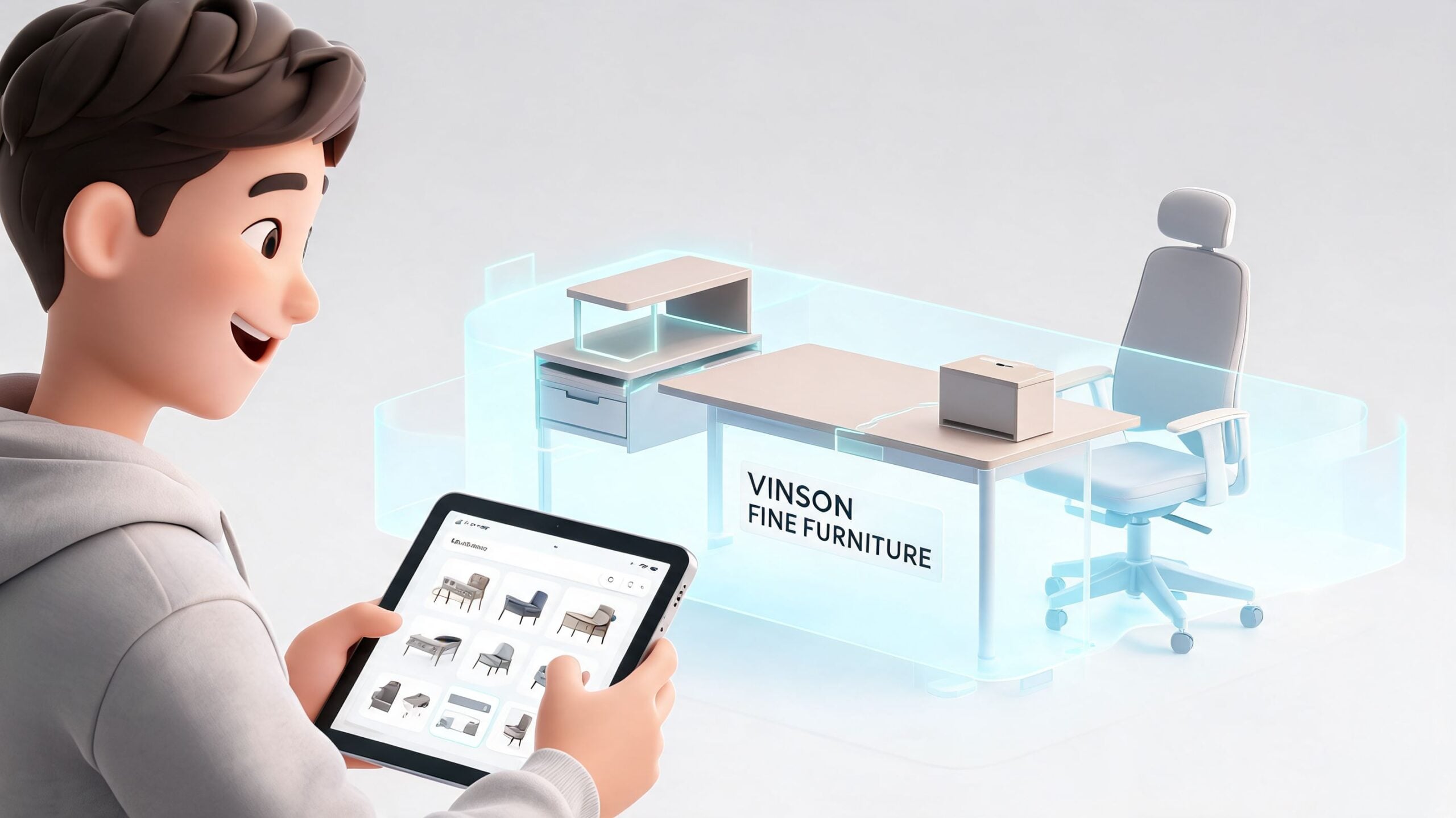
That is where in-person guidance can help clear up expensive guesswork. An in-store design studio and a complimentary design consultation give homeowners a way to compare layouts, finishes, and proportions before placing an order. Visual tools such as 3D renderings also make it easier to see how a desk, storage piece, and chair will work together in a real room.
Vinson Fine Furniture is a Columbus, Ohio furniture store that offers an in-store Design Studio, custom order options, and showroom support for homeowners who want to compare office layouts, materials, and finishes in person.
Investing Wisely With Vinson Fine Furniture
A home office can be a meaningful purchase, especially when you want pieces that will last. The smartest way to think about the cost is to compare value over time, not just the initial ticket.
A desk that stays sturdy, a chair you still enjoy using, and storage that continues to fit your needs often costs less frustration than replacing weaker pieces in a few years.
Value without settling
That's why policy matters as much as product. A Low Price Guarantee adds confidence to a major purchase because it reduces the worry that you've overpaid for quality. In Vinson's case, that guarantee includes a 110% refund of the difference if a lower price is found at a local authorized dealer within the stated time frame.
There's also the practical side of shopping smarter:
- Clearance Gallery: Savings can reach up to 70% on select floor samples, overstocks, and closeouts.
- Flexible Financing: Synchrony HOME financing can make a larger office project more manageable.
- Long-term thinking: Better furniture often avoids the cycle of replace, reassemble, and regret.
Where savings fit into a quality strategy
Clearance shopping works best when you already know what quality looks like. If you can recognize sturdy construction, strong ergonomics, and well-chosen materials, a clearance piece becomes an opportunity instead of a gamble.
That's especially true for homeowners furnishing more than one zone at a time. Maybe you need a desk now, but also a bookcase, guest room storage, or even custom dining sets for another project in the house. The more consistently you buy, the more helpful it is to work with a store that can support style, function, and budget together.
Saving money is helpful. Avoiding a bad purchase is even more valuable.
From Our Easton Showroom to Your Home
There's a point where online research stops being enough. You can read about lumbar support, finishes, and craftsmanship, but you still need to sit in the chair, open the drawers, and run your hand across the wood.
That's why the showroom matters. At Easton Town Center, shoppers can do the sit-test properly. You notice whether a chair supports you where you need it. You see whether a desk finish reads warm, cool, matte, or glossy under real light. You can compare scale in a way screens rarely show accurately.

Why in-person testing still matters
A chair can have excellent specifications and still not feel right for your frame. A desk can look perfect in a product photo and feel oversized once you stand next to it. The showroom solves that.
It also helps with sustainability-minded shopping. According to OfficeRnD's review of office furniture brands, premium brands can separate themselves through durable, recyclable materials. That source notes that Humanscale's Freedom Chair uses 96% recycled aluminum, has a 72% lower carbon footprint, and that this type of durable construction supports 10-year structural integrity and 65% resale value after 5 years.
Those details are meaningful, but they land differently when you can also evaluate the piece in person.
The final step at home
The last part of the experience matters too. White-Glove In-Home Delivery removes a lot of the hassle people dread.
That service typically means:
- Inspection before delivery: The piece is checked before it arrives.
- Placement in the room: You don't have to wrestle a desk through the hallway alone.
- Assembly and setup: Complex items are put together correctly.
- Packaging removal: The room feels finished, not like a shipping station.
For many homeowners, that's the difference between buying furniture and enjoying the process.
Your Home Office Checklist and FAQs
When shoppers feel overwhelmed, it's usually because they're trying to make too many decisions at once. A short checklist helps you slow down and sort the priorities.
Your buying checklist
- Measure your space first: Note wall width, doorway clearance, and where windows, vents, and outlets sit.
- Define your work habits: Do you mostly type, write by hand, take calls, or spread out paperwork?
- Test ergonomics in person: Sit in chairs, adjust the arms, and notice how your back feels after a few minutes.
- Choose materials with intention: If you want long-term durability, solid wood furniture Ohio shoppers often prefer is worth strong consideration.
- Explore customization: Finishes, fabrics, and configurations can help the room feel integrated with the rest of your home.
- Plan the budget as a full project: Include the desk, seating, storage, delivery, and any design help you'll want.
If you're working with a tighter footprint, this guide to home office furniture for small spaces can help you avoid oversized pieces and awkward layouts.
Frequently asked questions
Can I match new office furniture to my existing home decor
Yes. That's one of the strongest reasons to consider custom options. Wood species, finishes, fabrics, and hardware can make the office feel connected to the rest of the house instead of looking like a separate purchase dropped into the room.
Is solid wood really worth it for a home office
For many homeowners, yes. Solid wood tends to age with more character, and it usually offers the kind of stability and repairability people appreciate in a long-term piece. If you're creating a room you plan to use for years, it often makes sense as an investment.
What should I prioritize first, the desk or the chair
If you spend full workdays seated, start with the chair. Your body will notice that difference fastest. After that, focus on a desk with the right scale, useful surface area, and storage that fits the way you work.
Are Amish-made furniture options good for offices too
They can be excellent for offices, especially if you want a room with warmth, craftsmanship, and substantial build quality. Amish-made furniture often appeals to homeowners who want their office to feel more residential and lasting.
Is it better to shop online or in a showroom
Online research is helpful for narrowing the field. The showroom is better for the final decision. You'll understand comfort, finish, proportion, and craftsmanship much more clearly in person.
A good home office should support your work and still feel like home. If you're near Easton Town Center and want to compare styles, materials, and customization options side by side, that in-person step is often where the right choice becomes obvious.
If you're ready to turn a temporary setup into a room that works beautifully for years, visit Vinson Fine Furniture at Easton Town Center. You can explore desks, seating, storage, and custom options in person, speak with the design team, and take the sit-test before you decide.