Natural Wood Finish Oil Guide for Hardwood

The dining table has arrived, the lighting is finally in place, and the homeowner reaches across the surface expecting solid hardwood to feel like wood. Instead, the finish feels slick and sealed, the grain looks muted, and a small scratch raises an uncomfortable question: will a repair require refinishing the entire piece? Finish selection determines more than sheen. It affects touch, color, indoor air quality, maintenance, and how gracefully solid cherry, oak, maple, or walnut ages.
A natural wood finish oil offers a deliberate alternative. It can deepen grain, preserve a low-sheen surface, and make localized repairs more practical, but it isn't maintenance-free and the word “natural” doesn't guarantee a clean formula. The right choice depends on the species, the room, the product composition, and the standard of care expected from an heirloom piece.
Understanding Natural Wood Finish Oils for Solid Hardwood
A hand-rubbed solid walnut surface should feel like wood, not plastic. Its grain remains tactile, and the darker figure gains depth as light shifts across the board. Solid cherry takes on warmth, solid oak keeps its open grain, and solid maple retains its quieter character. A penetrating oil supports those differences rather than giving every species the same sealed appearance.
That choice suits bench-made furniture because it prioritizes touch and repairability over a heavy protective shell. A penetrating oil enters the wood's pores and cures through reaction with oxygen within and near the fibers. The result is visual depth without the high-gloss surface associated with a built-up varnish finish. Technical discussion of linseed-oil curing and absorption supports this distinction, although the final performance still depends on the oil blend, application thickness, wood species, and curing conditions.
A finish category with a long memory
Natural oils have served furniture makers for generations. Historical accounts describe linseed oil as a widely used furniture finish because it was available, affordable, and straightforward to apply. By the 18th and early 19th centuries, cabinetmakers commonly used oil and wax finishes, while linseed oil was recognized for slow drying, limited durability, and darkening over time (history of furniture finishes).
Tung oil developed along a different path. It came to the West from China around 1900 and gained attention for curing into a more protective film through exposure to oxygen. That history helps explain the continued appeal of oil finishes for homeowners who want a low-sheen, grain-forward surface on furniture and floors.
Craft principle: An oil finish is an intentional exchange. The homeowner accepts less resistance to scuffs, standing water, and rings in return for a surface that feels like hardwood and can often be refreshed locally.
Vinson's guidance on natural wood finish for furniture reflects the same maintenance philosophy. The finish is part of the furniture's service plan, not merely a color choice. On solid hardwood built for long use, that distinction affects how easily the piece can be cleaned, renewed, and repaired.
Species and use should guide the selection. Walnut often suits an oil that emphasizes figure without adding excessive film build. Cherry benefits from a finish that accepts its gradual color change, while open-grained oak may require careful wiping to avoid uneven residue. Maple's tighter grain can produce a more restrained result. Oil is less suitable when the room demands a completely sealed surface with minimal visible maintenance, such as a heavily used dining area or a spill-prone household.
Comparing the Most Common Wood Finishing Oils
A dining table in walnut, cherry, maple, or oak does not need the same oil. “Oil finish” describes several distinct materials, and their curing, protection, and maintenance requirements vary. Pure tung oil, polymerized linseed oil, Danish oil, tung and varnish blends, and food-safe mineral oil should be judged by their ingredients and intended use, not by the front-label wording. Product formulations may include solvent thinners, petroleum-based additives, or metallic driers, so the technical data sheet deserves a close reading.
Pure tung oil cures through contact with atmospheric oxygen and can provide useful water resistance, but it requires patience and careful wiping. Polymerized linseed oil has undergone controlled heat treatment, which changes how it flows and cures compared with raw linseed oil. Raw or modified linseed products can remain soft if applied too heavily. Danish oil is a category rather than a fixed formula, so its performance depends on the balance of oil, varnish, and solvent in the particular product.
Wood Finish Oil Comparison Matrix
| Oil Type | Composition | Drying Time | Durability | Best Application |
|---|---|---|---|---|
| Pure tung oil | Plant-derived tung oil, with added resin or solvent determined by the product | Often requires 24 to 48 hours per coat, with conditions affecting the schedule | Moderate, with useful water resistance when properly applied | Furniture, turned work, and solid hardwood pieces where a natural feel matters |
| Polymerized linseed oil | Heat-treated linseed oil that generally handles and cures more readily than raw oil | Faster than raw linseed oil, though coat weight, airflow, and temperature still matter | Low to moderate on demanding surfaces, with pronounced visual warmth | Lower-traffic furniture, decorative surfaces, and grain enhancement |
| Danish oil | A variable blend of oil, varnish, and solvent | Often more predictable than a pure oil, but specific to the formulation | Moderate, with some surface build | Furniture needing modest sheen and added protection |
| Tung and varnish blend | Tung oil combined with resinous varnish and, in some products, solvent | Usually faster and more protective than pure penetrating oil, depending on the blend | Moderate to high relative to raw penetrating oil | Dining and living-room furniture requiring a balance of tactile feel and resistance |
| Food-safe mineral oil | Non-curing mineral oil intended to condition wood rather than form a hard film | Does not cure through oxidative polymerization | Low as a standalone furniture finish | Food-contact wood items, rather than general protection for dining furniture |
Wood species changes both appearance and absorption. Tung oil can deepen walnut's figure, while a linseed-derived finish can add warmth to cherry. Maple's tight grain produces a quieter result, so an ambering oil may shift its color more noticeably. Oak accepts grain emphasis readily, but uneven residue can collect around its open pores. Test the chosen finish on a sample taken from the actual piece before treating the furniture.
Use also sets the limit. An oil finish suits a surface where touch, grain, and local renewal matter. A spill-prone dining area may need more film build and resistance than a rarely used cabinet. The right choice is therefore a compromise between tactile quality, visible aging, cleaning demands, and the owner's willingness to maintain the surface.
What the Label Must Reveal
“Pure” should describe the contents, not merely the product's marketing position. A wiping varnish may use oil language while relying substantially on resin and solvent. A finish for a dining table should state its resistance to water, abrasion, and heat, along with any food-contact limitations. A general toughness claim does not answer those practical questions.
The wood oil guide for furniture helps frame the choice around appearance, use, and maintenance. For an investment piece, durability is only one measure. Repairability, color stability, tactile quality, and the ability to maintain the surface without stripping the entire top determine whether the finish can support heirloom use.
The Science of Curing and Application Basics
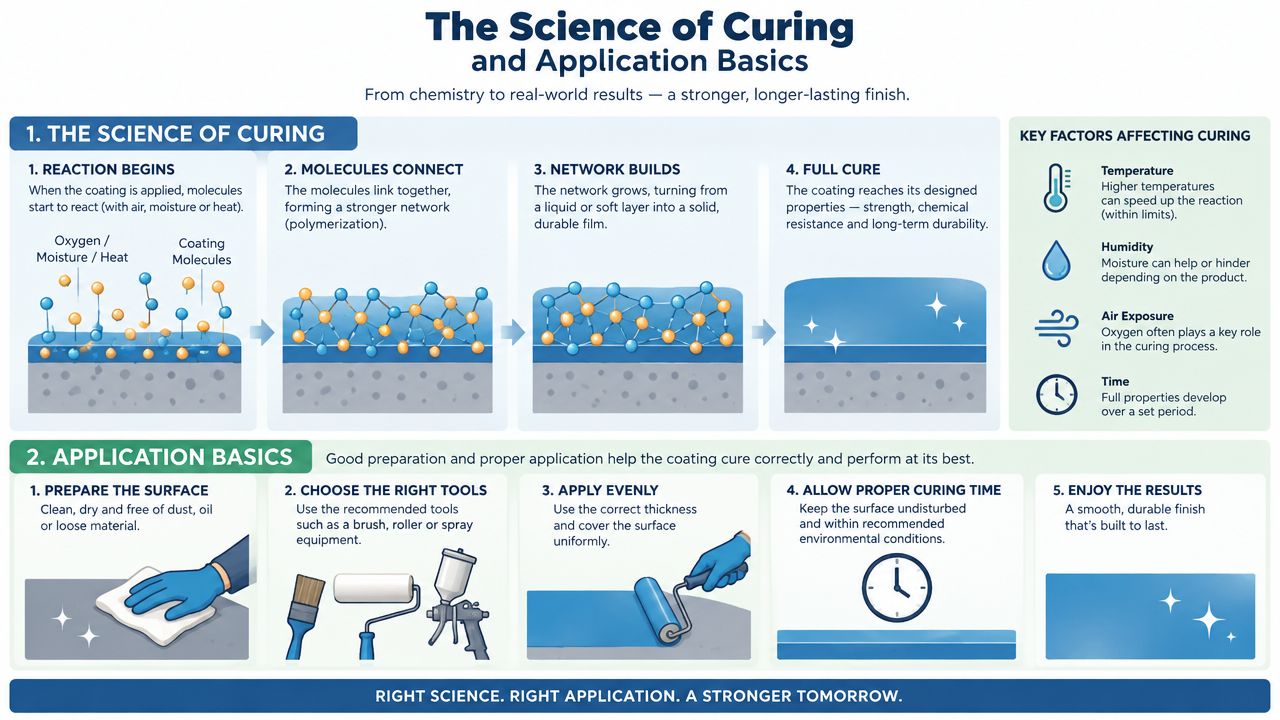
A freshly oiled tabletop can look finished while the chemistry is still underway. Natural drying oils cure through oxidative polymerization. Atmospheric oxygen reacts with the oil and helps create a solid film. Linseed oil's iodine value typically falls between 160 and 200, a property associated with drying oils and their ability to form a film through autoxidation.
Why thin coats outperform heavy coats
Oxygen must reach the oil throughout the coating. A thin application gives air a shorter path into the finish, while a heavy layer can skin over before the material underneath has hardened. The result may be softness, tackiness, or marks that appear days after application.
Spread the oil evenly, allow it to penetrate, then remove the excess. A wet, glossy surface immediately after wiping indicates surplus material, not a superior finish. This restraint matters on dense hardwoods such as maple, where excess oil can sit on the surface, and around the open pores of oak, where residue may cure unevenly.
Temperature also changes the schedule. For linseed oil applied at 80 g/m², measured drying took 1,426 to 1,481 minutes at 20°C, compared with 79 to 82 minutes at 50°C and 86 to 89 minutes at 80°C. Those results do not predict every formulation or workshop. They show why temperature, airflow, and coat weight must be managed together rather than treated as separate variables.
A disciplined application sequence
Prepare the hardwood. Sand solid cherry, oak, maple, or walnut evenly, then remove all dust. Uneven preparation produces uneven absorption and visible variation.
Test the actual finish. Use an offcut from the same board or a concealed area. Oil can deepen color, and the result depends on species, grain, and surface preparation.
Apply a controlled coat. Spread a small amount across the surface, following the grain where appropriate. Aim for penetration, not a standing layer.
Remove excess completely. Check edges, joints, end grain, and recesses carefully. Pooled oil cures slowly and may remain tacky.
Respect the cure. Recoating too soon can trap softness between layers. Keep the workshop within the product's stated temperature and airflow conditions, and follow its recoat schedule.
For further context on linseed-based coatings, linseed oil paint and finish information explains how the material behaves in use. The same discipline suits a custom dining set or bedroom piece. Finish quality begins with oxidative chemistry, then depends on measured application, clean removal, and enough time for the oil to harden.
Navigating Safety and Indoor Air Quality Claims
“Natural” describes an ingredient story, not a complete indoor-air-quality assessment. Some commercial products sold as natural oils may contain petroleum-based solvents, heavy-metal driers, or additives that emit aldehydes while curing. The useful question isn't whether a label says natural. It is what is in the can, and what enters the room while the finish cures?
A homeowner furnishing a living room or dining room should request the product's technical and safety documentation. The front label may use broad language, while the safety data sheet identifies solvents, hazards, ventilation requirements, and handling precautions. A low- or zero-VOC claim also needs context, because one product's formula and curing behavior may differ substantially from another's.
A practical label-reading method
- Read the composition. Look for the base oil, resins, solvents, driers, and any added catalysts.
- Separate VOC content from odor. Smell can signal evaporating compounds, but odor alone doesn't quantify exposure.
- Check the curing instructions. Ventilation, temperature, recoat timing, and occupancy guidance belong in the decision.
- Ask about rags. Oil-soaked cloths can present a fire hazard as curing generates heat. The finisher should provide a safe disposal procedure.
- Confirm intended use. A finish suitable for decorative furniture may not be appropriate for food-contact surfaces.
For a broader explanation of indoor exposure and volatile organic compounds, homeowners can consult Covenant Aire Solutions' guide while reviewing the specific finish documentation for the furniture under consideration. The resource is most useful when paired with the actual product data sheet, not treated as a substitute for it.
Indoor-air rule: A credible finish decision starts with the formula and curing instructions, not the color of the marketing label.
Food contact deserves separate care. A dining table isn't automatically a food-preparation surface, and “food-safe” language can mean different things depending on the product and certification. Vinson's food-safe wood finishes guidance gives homeowners a practical starting point for asking what the finish is designed to handle.
Long-Term Maintenance and Re-Oiling Schedules
An oil finish asks for participation from the homeowner. The surface may show a scuff, water ring, or dry-looking patch sooner than a heavier film finish, particularly on a dining table or heavily used living-room piece. Its advantage appears during repair. A localized mark can often be cleaned, lightly abraded if necessary, and blended with maintenance oil without stripping the entire top.
The correct schedule isn't dictated by the calendar alone. It depends on use, cleaning habits, sunlight, spills, and the finish system selected by the maker. A dining table used daily needs closer observation than a bedroom chest, while a solid walnut nightstand may only need attention when the surface loses its even feel.
A repair sequence for minor wear
Remove surface dirt. Use a soft cloth and the cleaner recommended for the finish. Avoid saturating joints or leaving standing moisture.
Assess the mark. A dull patch or superficial scuff may need only cleaning and a compatible maintenance coat. A deeper scratch may require the maker's repair method.
Blend the affected area. Apply a small amount of the matching maintenance oil to the damaged zone, feathering into the surrounding wood. Excess material should be wiped away.
Allow the repair to cure. Keep objects, heat, and moisture away until the surface has hardened according to the product instructions.
Escalate when needed. Deep dents, exposed raw wood, or inconsistent color call for a professional assessment rather than repeated oil application.
Hardwax-oil hybrids have become an important middle ground. They preserve a matte, natural appearance while adding wax and other performance characteristics that can improve resistance to abrasion and make spot repairs more manageable. They aren't universal solutions, however. A homeowner should still ask how the specific system behaves under scuffing, water exposure, and repeated cleaning.
Cleaning without creating new problems
- Use gentle tools. Soft cloths protect the tactile surface from unnecessary abrasion.
- Treat spills promptly. Standing water and hot objects can mark an oil-finished surface.
- Avoid unapproved polish. A silicone-rich or incompatible product can interfere with future maintenance.
- Keep repairs local. Broad over-application can create uneven sheen and color.
- Follow the maker's system. Products from different finish families shouldn't be mixed casually.
For broader cleaning principles, a hardwood floor disinfection guide can help distinguish cleaning from disinfection and clarify why excess moisture matters on hardwood. Furniture still requires the finish manufacturer's specific instructions. Vinson's wood furniture care guide provides a practical reference for preserving the surface between professional services.
The repairable nature of oil doesn't excuse neglect. It makes responsible ownership more forgiving. A homeowner who responds to wear early can preserve the character of solid hardwood instead of allowing small marks to become a larger restoration project.
Selecting Custom Finishes at the Design Studio
A finish should be chosen with the wood, room, and household routine in view. Solid cherry, oak, maple, and walnut absorb penetrating oils differently because their pore structure, density, and natural color vary. The final surface also changes as the oil oxidatively cures, so a finish sample is more reliable than a screen when judging warmth, sheen, and tactile character.
At the Vinson Fine Furniture Design Studio, complimentary design consultations give Columbus-area homeowners a setting to compare samples, discuss intended use, and assess proportions. The conversation should cover more than color. A busy family dining room may need a finish that makes small maintenance applications practical, while a bedroom or quieter living room may justify a subtler surface with less visual emphasis.
Customization with a clear visual target
The Custom Order Program supports choices in fabrics, finishes, and 3D visualizers across custom-order partners for solid-wood dining and bedroom furniture made in the USA and Canada. Those options provide access to regional craftsmanship, but an oil system still needs to be selected for the actual species and expected wear. A commercial blend described as natural may contain solvents or drying additives, so the consultant should identify the complete product system and its ventilation requirements before application.
A practical consultation might proceed like this:
- Solid cherry: Review how the oil warms the grain and how oxidative curing may deepen its changing tone over time.
- Solid oak: Examine how the finish settles into open grain and whether the desired surface should remain restrained or more pronounced.
- Solid maple: Check whether added warmth preserves the clean, pale character the homeowner wants.
- Solid walnut: Compare how the oil deepens figure while retaining a low-sheen, tactile surface.
The 3D visualizer establishes the relationship between finish, upholstery, and room plan. A physical sample from the actual species remains the final authority, especially where absorption, color shift, or sheen affects the design.
The consultation can also coordinate the finish with premium motion and leather choices. A solid hardwood room may include a top-grain leather sectional with motorized or power motion, a swivel chair, or a rocker or glider. The finish should support daily use, surrounding materials, and long-term ownership rather than compete with them. That decision is what turns a custom order into a coherent heirloom interior.
Experiencing Heirloom Quality in the Showroom
Showroom lighting reveals what a color chart cannot: how an oil-finished surface responds as light moves across walnut, and whether the cured finish still feels like hardwood rather than a plastic film. Compare two samples side by side, first under overhead lighting, then near natural light. Check reflected sheen, grain clarity, and color depth. The hand-test should be deliberate. Walnut should retain a warm, tactile figure, while maple should remain clean and pale rather than becoming unnecessarily amber.
The sit-test also matters for a dining chair, sectional, reclining piece, swivel chair, rocker, or glider. Motion, support, upholstery, and scale become clear only when the furniture is used.
The Easton Town Center showroom gives Columbus and Central Ohio homeowners one setting for comparing construction, motion, leather, upholstery, scale, and finish. Vinson Fine Furniture is family-owned, formerly known as Kitchen Tables & More, and focuses on North American manufacturing, including Ohio, USA, and Canada, with Amish-made excellence.
A complete investment path
A complimentary design consultation can lead into finish selection, fabric coordination, and custom ordering. The Low Price Guarantee provides a 110% refund of the difference when its conditions are met. The Clearance Gallery includes selected floor samples, overstocks, and closeouts with savings of up to 70%.
Delivery affects the finished experience. White-glove service brings furniture inside, places it in the chosen room, completes assembly or light installation, and removes packaging. A trained two-person crew commonly handles these tasks, leaving the piece ready for use.
Before ordering, ask how the finish was cured, what care it requires, and whether the sample represents the actual hardwood species.
Visit Vinson Fine Furniture at Easton Town Center to compare oil-finished solid hardwood, premium top-grain and performance leather, and power-motion seating in person. Schedule a complimentary design consultation for finish samples, custom ordering, and white-glove delivery.