Home Office Organization Furniture: Optimize Your Workspace

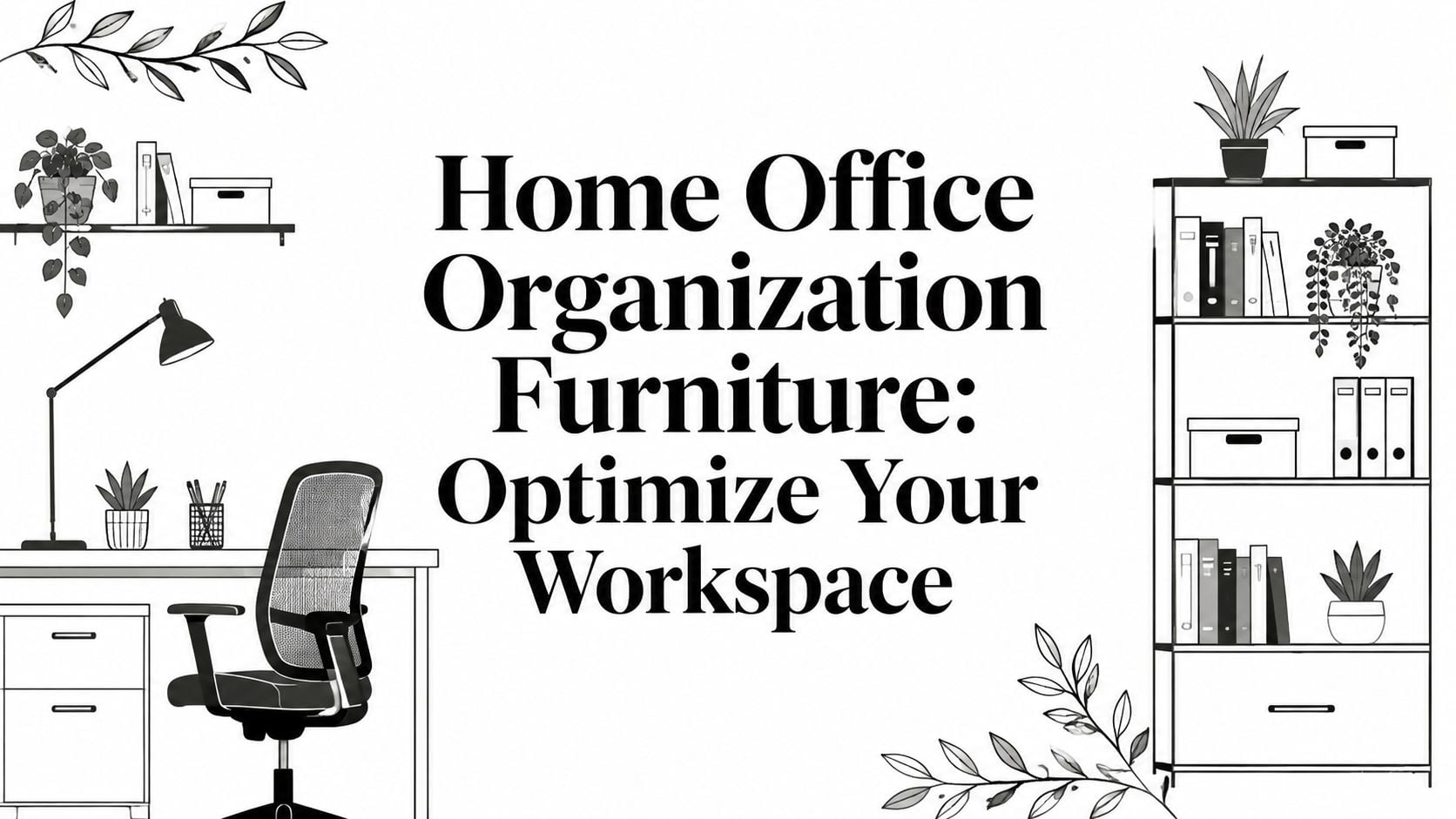
The spare bedroom looked functional on paper. In reality, it held a narrow desk that shuddered with every keystroke, a task chair that felt acceptable for twenty minutes and punishing by midafternoon, and a row of mismatched bins trying to contain paper, chargers, notebooks, and overflow from the rest of the house. That's the home office many homeowners live with. It isn't organized. It's merely contained.
A serious workspace feels different. The desk has weight and presence. Drawers close with confidence instead of a rattle. The chair supports the body instead of asking the body to compensate. Storage doesn't sprawl across the room because the furniture itself was chosen with purpose from the start. That's the lesson behind home office organization furniture. The furniture is the system.
That shift matters because the home office is no longer a temporary patch. The global home office furniture market is projected to grow from USD 21.79 billion in 2024 to USD 38.89 billion by 2033 according to Straits Research's home office furniture market outlook. Homeowners are building permanent workspaces now, not improvised corners.
Before buying anything new, it helps to know what already deserves a place in the room and what should be retired. A practical starting point is creating a furniture inventory before moving, because the same process exposes deadweight pieces that don't belong in a long-term office.
Table of Contents
- From Makeshift Mess to Productive Sanctuary
- The Foundation Choosing Your Solid Wood Desk
- Smart Storage Solutions Beyond the Desk
- The Ergonomic Imperative Investment-Worthy Seating
- Designing Your Space Layout and Customization
- The Vinson Difference Value and White-Glove Service
- Building Your Legacy Office Today
From Makeshift Mess to Productive Sanctuary
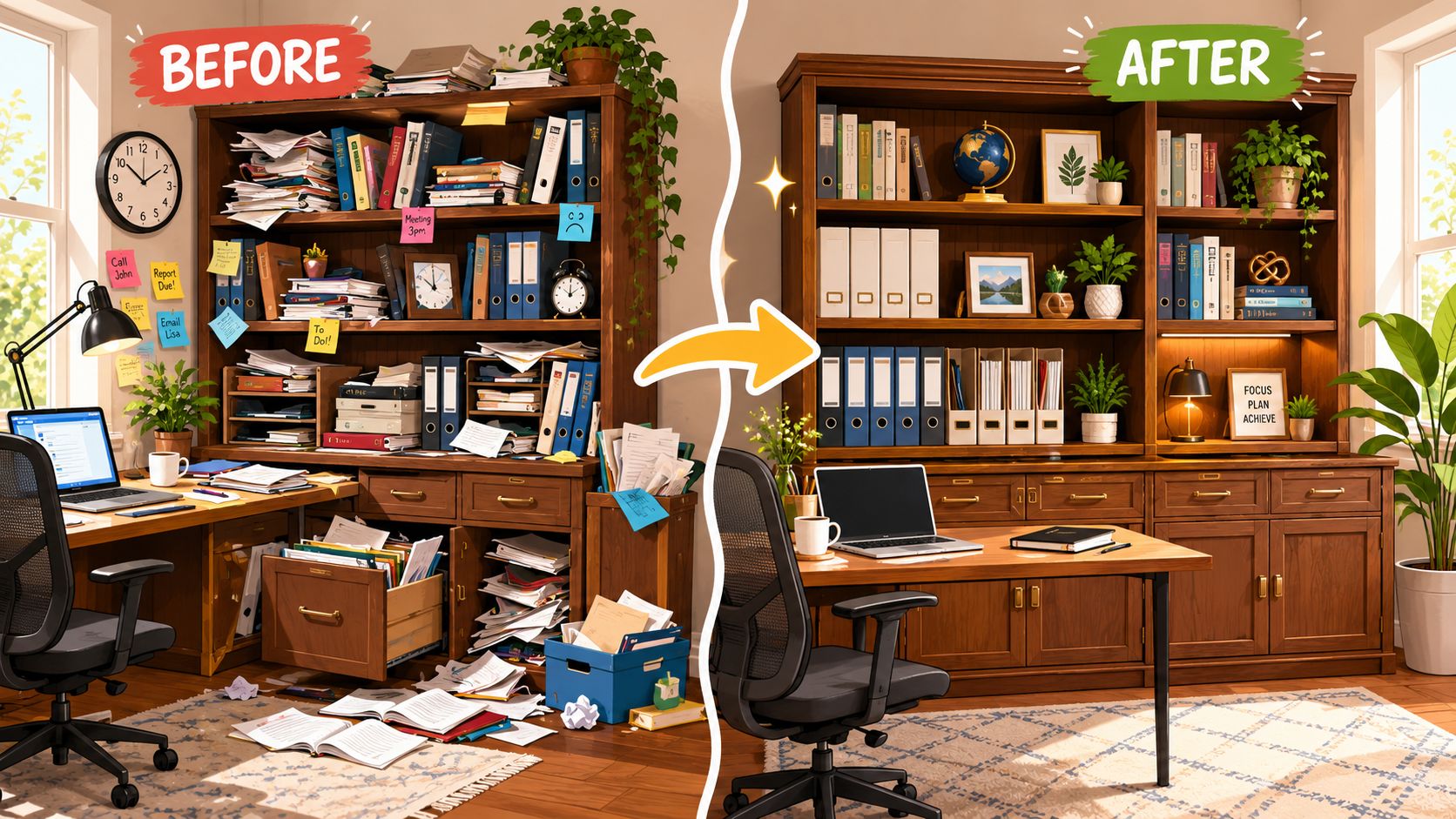
A makeshift office usually announces itself in small irritations. The lamp cord snakes across the floor. The printer sits on a side table that was never meant to carry it. The file box blocks the baseboard vent. Every object says, “this will do for now,” and “for now” stretches into years.
That kind of room wears down focus because every task requires one extra motion. A chair must be dragged back to open a drawer. A stack must be shifted to find a notebook. Even after a laptop is closed, the room still looks unsettled. Homeowners often answer that problem by buying more organizers, but the deeper fix is almost always architectural. Start with the desk, seating, and storage. Then let accessories play a supporting role.
Organization starts with permanence
A productive sanctuary doesn't need gimmicks. It needs furniture that defines where work happens, where tools live, and where the eye can rest. A substantial solid wood desk gives the room a center. A properly scaled cabinet removes paper clutter from sight. A supportive chair allows longer concentration without the creeping ache that breaks momentum.
A cluttered office rarely needs more containers. It usually needs fewer, better pieces with a clearer job.
Many homeowners finally stop “setting up” a home office and start furnishing one. The difference is dramatic. The room looks calmer because it is calmer. Visual noise drops. Daily friction drops with it.
The mood of the room changes with the furniture
Heirloom-quality furniture does something lightweight pieces can't. It gives the room authority. Solid cherry, oak, maple, and walnut don't just store objects. They create a workspace that feels settled, finished, and worthy of serious work. That matters in a home where the office has to coexist with the rest of life.
The strongest home office organization furniture doesn't chase trends. It creates order through proportion, durability, and restraint. That's the standard investment homeowners should use.
The Foundation Choosing Your Solid Wood Desk
The desk is the central piece. Everything else supports it. Buyers understand that instinctively. Desks and tables accounted for 33.74% of home office furniture revenue in 2025, which Mordor Intelligence identifies in its home office furniture market report. The market is saying what good designers have always known. Build the room around the desk.
The desk is the room's anchor
A poor desk creates problems no organizer can fix. It flexes under load, loses level, and often skimps on drawer construction. A good desk does the opposite. It stabilizes the room. The eye reads it as permanent. The hands feel the difference immediately in the density of the top, the smooth pull of the drawer, and the absence of wobble when the workday gets busy.
For a homeowner investing in a real office, solid hardwood is the right answer. Solid cherry offers warmth and quiet richness. Oak brings visible grain and toughness. Maple looks crisp and refined. Walnut adds depth and a darker, more architectural mood. None of them feel disposable.
For those browsing true wood desks, solid wood home office desks in oak show exactly why material matters. The surface has visual depth. The form has gravitas. The room immediately feels more composed.
Solid Hardwood Characteristics at a Glance
| Hardwood | Grain & Color | Durability | Best For |
|---|---|---|---|
| Cherry | Fine grain, warm reddish undertone | Ages beautifully with long-term use | Traditional or transitional offices |
| Oak | Pronounced grain, classic natural character | Excellent for heavy daily use | Family offices and hardworking spaces |
| Maple | Smooth, subtle grain with a cleaner appearance | Strong and dependable | Contemporary or light-toned rooms |
| Walnut | Rich, dark grain with strong visual depth | Durable and refined | Executive-style spaces |
Practical rule: If the desk looks light, sounds hollow, or shifts under pressure, it doesn't belong in a permanent office.
Choose the desk style by workflow
Desk style should follow the kind of work done there.
- Executive desks suit homeowners who spread out paperwork, use multiple monitors, or want a room with formal presence.
- Writing desks work well for laptop-based tasks and rooms where visual lightness matters.
- Credenza desks support a cleaner, lower profile and pair beautifully with separate storage when a room needs balance.
Amish-made craftsmanship deserves special attention here because the desk is the one piece that must hold up to daily touch, daily weight, and daily scrutiny. Bench-built construction in solid wood holds its line better over time. This is why brands with a strong hardwood tradition, including Mavin, make sense in a serious office. They treat the desk as furniture first, not packaging for hardware.
Smart Storage Solutions Beyond the Desk
A well-organized office rarely comes from buying more organizers. It comes from choosing storage furniture that sets the room's discipline from the start. If papers, devices, and supplies have a permanent place in substantial cabinetry, the desktop stays clear and the room works harder with less effort.
That is why I push clients toward fewer pieces with more purpose.
A credenza, lateral file, or bookcase in solid wood does more than hold belongings. It gives the room visual structure, reduces surface clutter, and keeps work tools close without turning the office into a staging area for bins and baskets. Good storage furniture also ages with the desk. It belongs in the room for decades, rather than getting replaced the moment the workflow changes.
A lateral file is often the strongest choice because it solves several problems at once. It handles active documents, supports office equipment, and anchors an otherwise empty wall with real presence. A piece like the Atwood lateral file cabinet by Mavin Furniture shows how practical storage can read as finished furniture instead of office equipment.
Small accessories still have a place, but they should stay secondary. Use them to contain the leftovers, not to compensate for bad furniture planning. Thoughtful minimalist cable management pouches are useful for spare chargers, travel cords, and small tech pieces that do not need dedicated drawer space.
Construction details that matter every day
Storage furniture earns its keep in the details you feel every morning. Drawers should open cleanly under weight. Cabinet cases should stay square. Doors should align properly after years on real floors, with seasonal changes and daily use.
Judge each piece like a designer and a cabinetmaker would.
- Dovetail drawer joints hold up better under repeated opening, closing, and heavy paper storage.
- Ball-bearing glides keep drawer movement controlled and smooth, especially in files that carry real weight.
- Corner blocking and tight joinery help the cabinet resist wobble and racking over time.
- Adjustable levelers keep the piece stable on uneven floors and protect drawer alignment.
These are not showroom details. They determine whether storage feels effortless or irritating for the next twenty years.
Good storage should feel quiet and exact. Drawers glide. Doors close flush. Nothing racks, sticks, or sags.
This is the standard for home office organization furniture. Organization starts with the furniture itself. Choose substantial, ergonomic, well-built pieces from the beginning, and you stop shopping for little fixes later. That long-view approach is exactly what makes a solid wood office feel settled, productive, and worth passing down.
The Ergonomic Imperative Investment-Worthy Seating
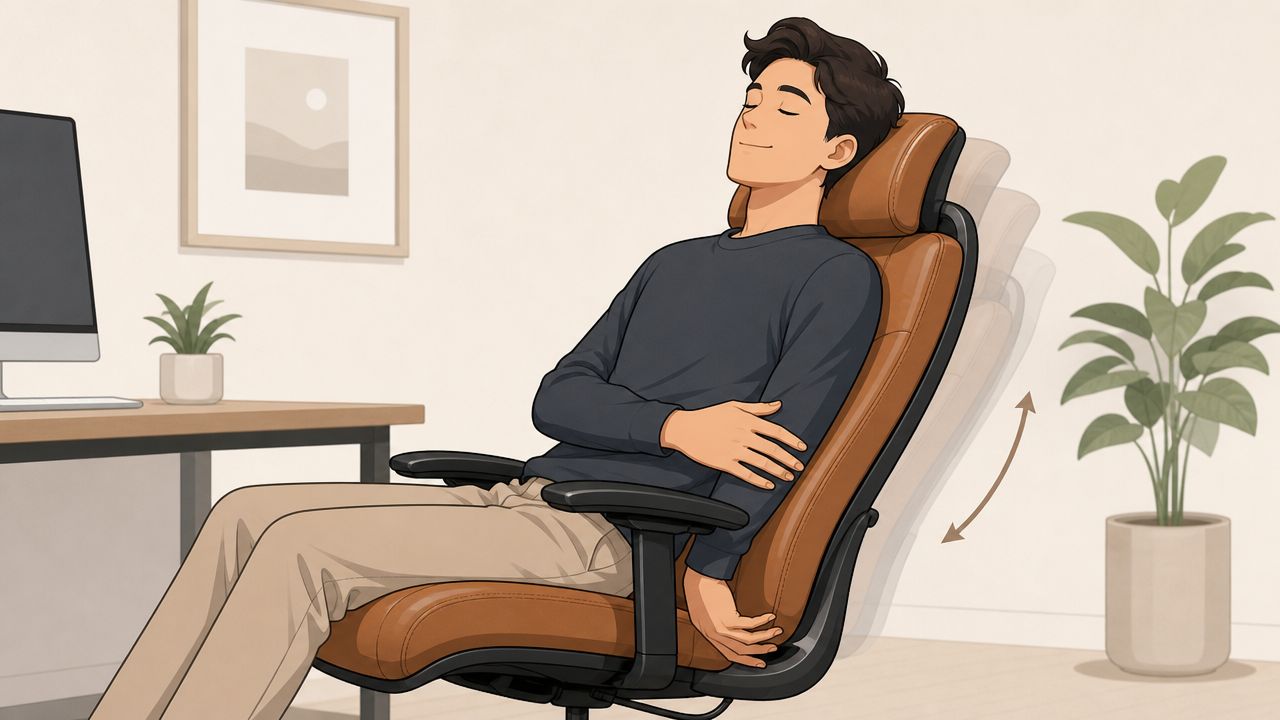
By three o'clock, the wrong chair has already taken over the room. Your shoulders creep forward, your lower back gives up, and the desk you carefully chose starts to feel like the problem. It usually is not. The chair is.
A home office chair has one job. Keep the body supported long enough for the room to function as intended. If it fails there, every other investment around it loses value. Solid wood furniture brings permanence and order to an office, but seating determines whether that office is comfortable enough to use for years.
A chair must work as hard as the desk
Good organization starts with furniture that reduces friction. A chair that adjusts cleanly, rolls without fighting the floor, and supports an upright working posture cuts down on fatigue and distraction. You stop fidgeting. You stop shifting stacks of papers just to find a tolerable angle. The room feels calmer because your body is not compensating for bad seating.
Start with fit. Feet should rest flat on the floor or a footrest. Knees should sit comfortably below or near hip level. The back should support the natural curve of the spine instead of leaving the lower back to fend for itself. Arm height should allow the shoulders to stay relaxed while typing or reading.
Those are basic requirements, not luxury features.
What to insist on before buying
A serious chair should earn its place with materials, mechanics, and comfort that hold up under daily use. Style matters, but it comes after support.
Look for these points before you commit:
- Adjustable seat height to pair properly with the desk you already own or plan to buy
- A supportive back with real lumbar contact rather than a flat decorative frame
- A stable five-point base that keeps movement controlled
- Smooth swivel and recline action that responds without wobble
- Substantial cushioning that supports for hours instead of collapsing quickly
- Top-grain leather or other high-quality upholstery that wears in with character rather than cracking or peeling
For homeowners comparing options, writing desk chairs should be tested in person whenever possible. Comfort is physical. A product photo cannot tell you whether the seat pitch is right, whether the back supports you, or whether the arm placement will annoy you by lunchtime.
Leather deserves special scrutiny. In a refined office, upholstery should age the way solid wood does. It should gain depth, softness, and presence over time. Cheap coverings do the opposite. They split, flatten, and turn a handsome office into a room full of replacements.
The right chair protects your posture, your concentration, and the value of every other piece in the room.
If you want one finishing layer that improves the office without adding clutter, add a few low-maintenance office plants. Then stop there. Do not crowd a well-made chair with gadgets and improvised cushions meant to correct a bad purchase. Buy the right seat first, and the office stays organized at its foundation.
Designing Your Space Layout and Customization
Most office problems blamed on storage are layout problems. A room can have the right desk and the right cabinet and still function poorly if the clearances are wrong. Furniture should support movement, not interrupt it.
Layout first, accessories later
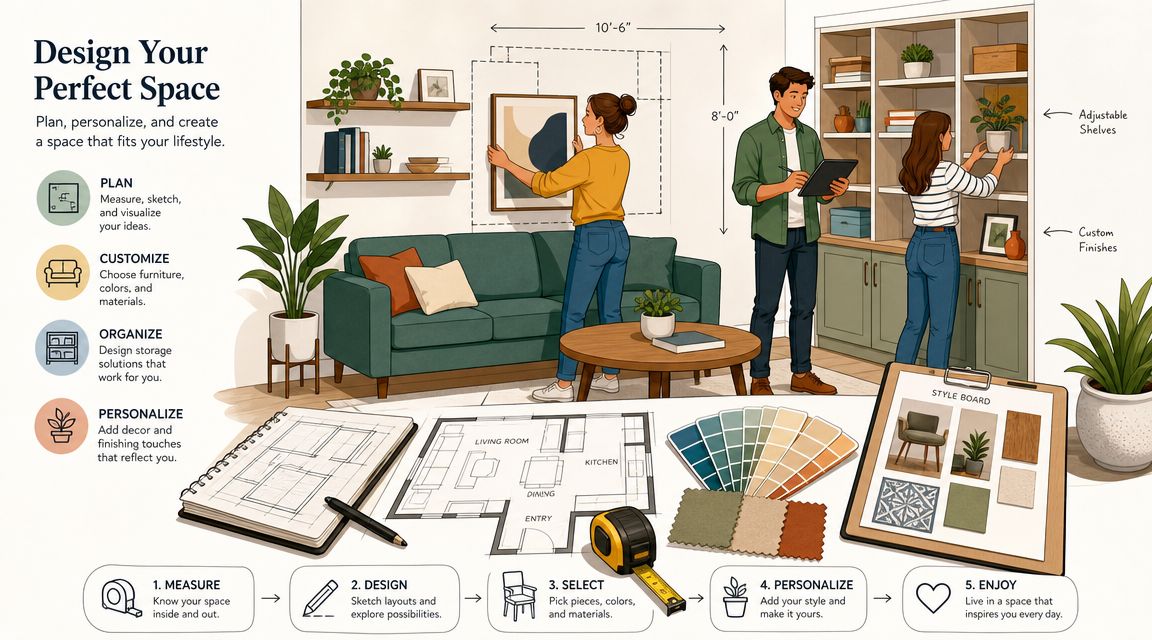
A sound home office layout should allow about 42 inches around a standard desk chair for mobility, and a vertical file cabinet needs roughly 23 inches of clearance in front for full drawer access, according to RoomSketcher's office layout guidance. Those dimensions matter because unusable clearance turns storage into frustration.
The most common layout errors are predictable:
- A desk pushed too tightly into a corner, which limits access and makes the chair fight the wall
- A file cabinet placed in the path of movement, which blocks the room every time a drawer opens
- Too much furniture on one wall, which makes the office feel crowded before a single paper arrives
A homeowner planning around those constraints should start with the body's path through the room. Sit down. Stand up. Roll back. Reach for the file drawer. Turn to a bookshelf. If any of that feels cramped, the room isn't organized yet.
Customization solves awkward rooms
Customization proves invaluable. Not every office has generous proportions, and many home offices are carved from guest rooms, loft edges, or spare corners. Standard dimensions won't always serve the room well. Custom sizing, finish choices, and storage configurations solve problems that generic furniture can't.
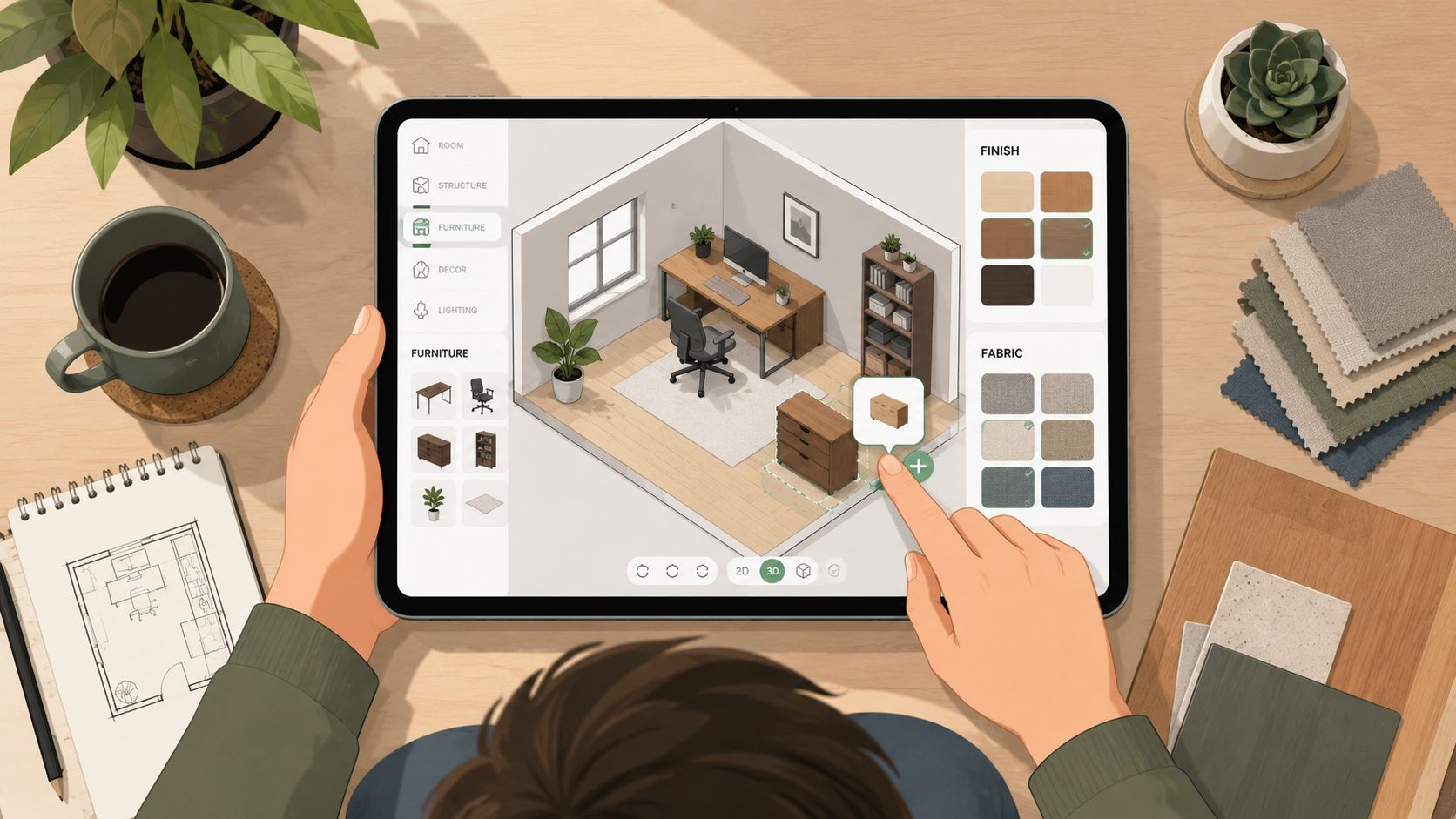
For layout planning, home office furniture layout support is useful because it addresses the actual fit of furniture within the room rather than treating every office as a blank rectangle. The same goes for an in-store design studio and complimentary design consultations. Those services help homeowners map desk size, cabinet depth, and circulation before a mistake is delivered to the house.
The strongest custom programs also let homeowners adjust finishes and proportions through 3D visualizers. That's especially useful with solid-wood lines from Canadel and Mavin, and with seating customization through Smith Brothers of Berne. A room stops feeling generic when the finish, scale, and configuration are chosen for that exact home.
Small finishing touches still have a place. A restrained layer of greenery can soften the room without cluttering it. Selections like low-maintenance office plants make sense when they support the room's calm instead of becoming another thing to manage.
The Vinson Difference Value and White-Glove Service
A high-quality office costs more upfront than a patchwork of temporary pieces. That doesn't make it expensive. It makes it honest. The homeowner pays once for solid wood, real customization, and competent delivery instead of paying repeatedly to replace failures.
Value is more than the ticket price
The strongest furniture value comes from longevity, construction, and fit. That's why solid hardwood matters. It's also why customization matters. A desk that fits the room properly and a cabinet that serves the workflow correctly eliminate the need for corrective purchases later.
For homeowners in Columbus and Central Ohio, Vinson Fine Furniture offers a practical path to that kind of investment through an in-store design studio, complimentary design consultations, and a custom order program that includes brands such as Smith Brothers, Canadel, and Mavin with finish, fabric, leather, and visualizer options. The value proposition is reinforced by the Low Price Guarantee, including a 110% refund of the difference if a lower price is found at a local authorized dealer within the stated period, and by a Clearance Gallery with savings up to 70% on select pieces.
That combination matters because homeowners don't all shop the same way. Some want a bespoke office from the ground up. Others want immediate value on a floor sample with excellent bones.
Delivery should protect the investment
Fine furniture shouldn't arrive with curbside uncertainty. It should arrive inspected, placed correctly, assembled properly, and cleared of packaging without turning the house into a job site. That's the point of White-Glove Delivery service. It protects the purchase and respects the home.
A well-designed office isn't only about what gets bought. It's about how the entire process is handled, from planning to installation. That standard matters more with heavy solid wood than it does with disposable furniture, because the whole point is permanence.
Building Your Legacy Office Today
Too many homeowners still treat the home office as a temporary room that somehow keeps demanding permanent labor. That assumption is backwards. The office supports income, concentration, and daily well-being. It deserves furniture that matches that responsibility.
A solid wood desk, durable storage, and ergonomic seating do more than organize supplies. They create a room that works hard without looking busy. They reduce friction. They age well. They feel appropriate in a home built for the long term.
The better question isn't whether a heirloom-quality office costs more than a makeshift one. The better question is how many times a homeowner wants to solve the same problem. Once is enough.
For homeowners ready to replace a stopgap setup with a lasting workspace, Vinson Fine Furniture is a sensible next stop. Visit the Easton Town Center showroom, feel the weight of solid hardwood, test the comfort of a true ergonomic chair, explore the Design Studio, and browse the Clearance Gallery for immediate value on investment-grade pieces.