Mattress Return Policy: A Guide for Columbus Shoppers

You've probably had the same uneasy moment many Columbus homeowners face. The mattress felt fine in the showroom or looked perfect in the box, but after a few weeks at home, the comfort story changed, and the policy language suddenly mattered more than the sleep promise.
A mattress return policy is rarely a simple refund rule. It's closer to a controlled trial, with condition checks, timing rules, pickup logistics, and sometimes state-law limits that can shape what happens next. For shoppers who value long-term comfort and long-term value, especially in Central Ohio, the fine print deserves the same attention as the mattress itself.
Understanding the Columbus Homeowner's Dilemma
A Columbus buyer usually starts with a practical hope, not a legal puzzle. The hope is simple, the mattress should relieve pressure, support the back, and feel right after a few nights, but the return page can introduce terms that sound more like a service contract than a retail policy.

That confusion is common because mattress returns aren't handled like a sweater or lamp. U.S. retailers processed $743 billion in merchandise returns in 2023, equal to 14.5% of sales, and mattress shopping follows that broader retail reality even while the product itself is far harder to move, store, and resell. Mattress returns are bulky, operationally expensive, and often handled through pickup, donation, or disposal instead of simple restocking, which is why return language is so detailed (retail coverage on mattress returns, NRF-reported return figures discussed in industry coverage).
Why the policy reads like a trial program
The smartest way to read a mattress return policy is to treat it as an evaluation period, not a universal refund right. The industry's bed-in-a-box model helped standardize trial structures, often with about 100 days to test a mattress and a minimum break-in period of around 30 nights before a return can begin (retail coverage). Sleep trials are often 90 to 120 nights, though some are shorter or much longer, which makes the trial period feel more like a sleep test than a checkout counter return (Sleep Foundation).
That distinction matters in the home. The first week can feel misleading because foam compresses, body temperature changes how the surface feels, and sleep posture sometimes reveals mismatch only after several nights. The policy is trying to separate a bad first impression from a real comfort failure.
Practical rule: Read the policy as if it were a test plan. The date that matters is usually the one that starts your eligibility, not the one that ends your patience.
For Columbus homeowners, that means the first step is not panic, it's timing. A mattress should be given enough nights to reveal whether the issue is genuine or just the body adjusting to a new surface, because a rushed return can waste the very window the policy was designed to provide.
What Mattress Trial Periods Really Mean
A mattress trial period is a controlled evaluation phase. It works like a guided home test, with rules about when the test starts, what counts as a pass, and how a return gets approved. That matters for Ohio buyers, because the trial is shaped by both store policy and the practical limits of pickup, inspection, and local return handling.
Trial window and return window aren't the same thing
Retail policy language often uses trial window, return window, and break-in period as if they mean the same thing, but each one does a different job. The trial window is the full span you have to evaluate the mattress. The break-in period is the minimum time you must keep it before a return can begin. Some retailers also measure eligibility in nights instead of calendar days, so a 120-night policy is not the same thing as a 120-day policy once delivery timing and scheduling delays are factored in (Sleep Foundation, Macy's furniture and mattress return policy).
That structure exists because bodies adjust. Foam can feel firmer on the first night, sleeping hot can change how the surface feels, and a side sleeper may only notice pressure points after several sleep cycles. A longer trial helps separate a short-lived first impression from a real comfort problem, but it also keeps the mattress in limbo longer, which adds pickup and processing work for the retailer.
A trial period answers one question, whether the mattress still fails after the body has had time to adjust.
Why patience protects both sides
The practical homeowner move is to wait through the break-in requirement before making a judgment. That does not mean ignoring obvious damage or defects. It means separating a comfort issue from a one-night reaction. If the mattress is wrong, the trial period should be used methodically, with notes about pressure points, lower-back support, edge feel, and temperature.
The hidden logistics gap is where many return guides fall short. A policy may promise a trial, then leave out the details that decide whether the return is workable. Who schedules pickup, whether the customer pays, whether the mattress has to sit at a ground-floor door, and how long the refund takes can matter as much as the trial length itself. For a clear planning reference before delivery, Vinson's mattress guide helps frame the questions that should be answered before the truck arrives.
A mattress trial should be treated like a home test, not a showroom revisit. A mattress that feels merely “different” on night three may become the right fit by week four, and policies written around nights are designed to account for that change. Ohio buyers also need to keep state-level and store-level rules in view, because a trial that looks generous on the front end can still be limited by local pickup conditions, condition rules, or other constraints once a return is requested.
Key Elements That Determine Return Eligibility
A return approval usually starts with condition, not preference. A mattress that feels too firm creates a comfort concern, but a mattress that has been stained, altered, or damaged usually falls into a different category altogether.
Condition rules do most of the work
Most policies require the mattress to remain unopened, unused, unstained, and undamaged, and they often exclude opened packaging, custom-made items, and clearance or final-sale goods (policy example). Once a mattress has been compressed, slept on, or marked, its resale value drops quickly and it may fail sanitary screening. After that, the return path often shifts toward refurbishment, donation, or disposal instead of resale.
Documentation helps at that stage. A mattress protector helps preserve surface condition, and photos of defects, together with the order number, can support a claim when the problem is a delivery defect rather than a comfort complaint. See our complete guide to bedding and mattress protectors for more on how to maintain condition. If packaging is still intact, keep it until the policy question is settled, because some sellers use that as part of the approval process.
The hidden logistics questions shoppers miss
The return page often explains the trial length and then becomes vague about the practical details. Who schedules pickup, whether the customer pays, whether the mattress needs to be at a ground-floor door, and how long the refund takes after pickup are the details that can make a return easy or frustrating (independent policy guide).
Before purchase, the safest questions are simple:
- Who schedules pickup: Ask whether the seller sets the pickup window or whether the customer has to coordinate it.
- Who bears the cost: Confirm whether return transportation, pickup, or restocking charges apply.
- What condition is required: Ask whether the mattress must be clean, bagged, undamaged, or photographed before approval.
- How the refund works: Clarify whether the refund begins after approval, pickup, or inspection.
- What happens to packaging: Check whether original plastic or box materials need to be retained.
For homeowners buying a mattress for long-term use, those answers matter as much as the comfort rating. A return policy that looks generous on the surface can become cumbersome if the logistics are unclear, and that is the hidden gap many shoppers only notice after delivery. Ohio buyers also need to keep state-level and store-level rules in view, because a trial that appears flexible can still be limited by local pickup conditions, condition rules, or other constraints once a return is requested.
Some stores also make their policy language clearer than others, and that clarity matters just as much as the headline trial offer. To see how return language should be written from the merchant side, it helps to craft an effective return policy, because the same plain wording that helps a business also helps a careful homeowner compare options before buying.
Brand Policies Versus Store Policies A Comparison
The place you bought the mattress often shapes the return process as much as the mattress itself. A brand-direct trial and a store-based return can both be valid paths, but they usually handle timing, pickup, and condition checks in different ways.
Reading the policy source
Manufacturers often use longer trials to build buyer confidence, while retailers tend to rely on more structured scheduling windows and clearer process steps. That difference matters because the return “clock” may begin at delivery for one seller and at approval for another, much like two service desks handling the same request through different intake rules. Some brand policies have offered trial periods such as 100 nights for Casper and Purple, 90 nights for Tempur-Pedic, and 365 nights for Saatva, which shows how widely the terms can vary within the same product category. Macy's lists a 120-day reselection or return period for mattresses, while Leesa requires the mattress to be kept for at least 30 nights before a return can begin.
A clear retail policy should spell out those steps in plain language. For a business-side example of how policy wording can prevent confusion, it helps to craft an effective return policy, because the same kind of clarity also helps a careful homeowner compare options before buying.
Brand vs. store return policies
| Policy Type | Trial Length | Return Window | Condition Requirements | Fees |
|---|---|---|---|---|
| Brand-direct | Often longer, sometimes 90 to 365 nights | Usually tied to trial approval | Frequently strict, with hygiene and packaging rules | May include return or processing charges |
| Store-based | Often shorter or more procedural | Can require scheduled calls and pickup timing | Usually requires clean, undamaged, unsoiled condition | May include pickup or delivery-related fees |
Macy's is a good example of how process detail can matter. Another policy summary notes that the call to customer service must happen within 60 days, and the return must then be scheduled within 14 days of that call, with the mattress undamaged, unsoiled, and unstained (Taskrabbit policy summary). Denver Mattress adds another layer by excluding bedding-related accessories once used or removed from the package and by treating adjustable bases as non-returnable.
The practical choice depends on whether the buyer wants more time to test the mattress, more local accountability, or fewer moving parts in the return process. Ohio shoppers should also check whether the store's pickup rules and inspection steps line up with the state and local rules that apply once a return request starts.
Vinson Fine Furniture: Understanding Policy Details
A mattress purchase asks for the same careful planning as any other major bedroom investment. The policy should be clear, the product should suit the room and the sleeper, and the retailer should explain the terms before the mattress is brought into the house.
How policy fits a custom furniture showroom
At Vinson Fine Furniture, return questions sit beside custom ordering, design consultation, and delivery support. Custom orders created through the showroom's design process are final sale, and clearance or floor-sample pieces are also non-returnable. That approach matches how custom or heavily discounted merchandise is usually handled in furniture retail, where the buyer needs clarity before the order leaves the showroom.
That same clear process helps shoppers read mattress terms without guessing. A standard mattress still needs plain trial language, but a custom sleep purchase can also bring financing questions, delivery coordination, and condition checks before placement. The store's policies page at Vinson's store policies is the place to confirm the exact rules before anything is scheduled.
Value, delivery, and the larger purchase picture
The bigger furniture picture matters because a mattress return rarely happens by itself. If a buyer is also furnishing a bedroom, choosing a solid cherry dresser, or comparing Amish-made dining sets, then return clarity becomes part of the overall purchase plan. The same shopper who wants solid wood furniture Ohio, Amish-made dining sets, or Mavin bedroom furniture usually appreciates the same plain-language policy that shows what happens if a sleep system misses the mark.
Good policy protects the buyer from guessing. A showroom that explains trial timing, delivery terms, and condition standards early gives the homeowner fewer surprises later.
Financing deserves its own review. If a mattress is returned after purchase, the buyer should contact the lender quickly so payment timing and refund application are handled correctly. That step matters just as much as the pickup, because a return on paper does not always stop a billing cycle by itself.
Ohio buyers also need to watch the hidden logistics gap. A return can look simple in the policy text, then become complicated once someone has to move a mattress out of a second-floor bedroom, arrange curbside access, or prove the item still meets inspection rules. In a situation like that, the return process works like a house move in reverse, and the details matter more than the headline trial language. For buyers who need to dispose of old hotel mattresses, the practical steps can be even more specific, since removal, hauling, and condition checks often shape what happens next.
Step-by-Step Guide to Initiating a Return or Exchange
A mattress return works best when the process is documented from the start. The buyer who keeps the paperwork, photographs, and dates organized usually has fewer problems than the buyer who starts looking for receipts after a pickup request.
A clean sequence reduces friction
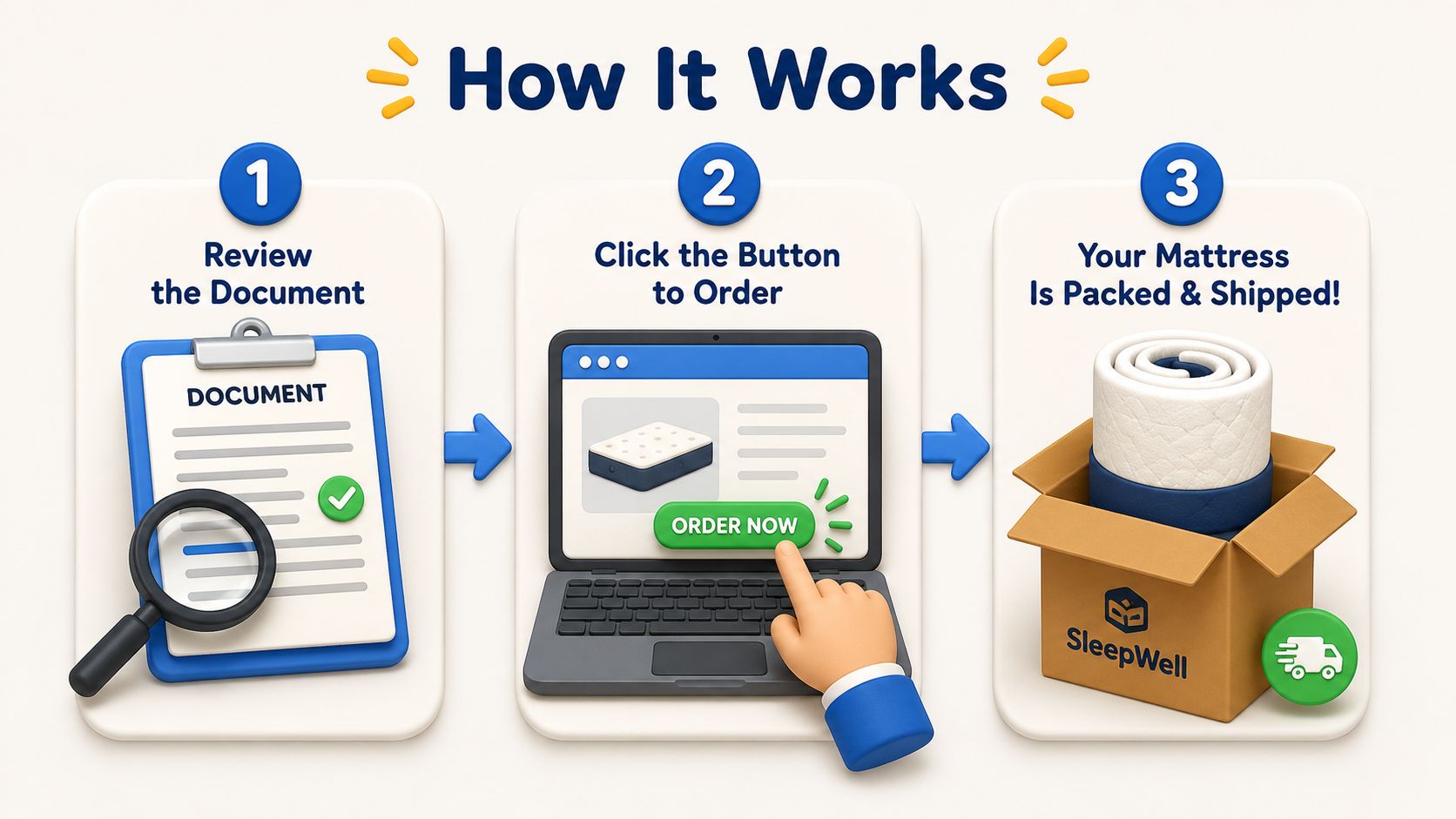
First, read the original policy and mark the trial end date, the break-in requirement, and any condition clause that could affect eligibility. Second, inspect the mattress carefully for stains, tears, or unauthorized changes, because those can void the claim before it starts. Third, gather the order number, proof of purchase, and photos of any defect if the issue is more than comfort.
Then contact customer service and ask direct questions about pickup timing, transportation responsibility, and refund timing. Those details often matter more than the headline trial length, and they can determine whether the return is simple or time-consuming.
Keep the logistics visible
If the mattress must be moved out of the home, confirm whether the carrier needs ground-floor access or a front-door handoff. If the item was financed, make sure the lender knows a return is in motion so the account can be adjusted properly. A return is much easier when the buyer keeps a written record of every call, date, and approval number.
For homeowners who need to get rid of an old mattress after an approved return or a separate replacement, a service page that explains how to dispose of old hotel mattresses can be useful as a reference point for handling bulky bedding responsibly. The core idea is the same in residential use, too. Heavy sleep products need a real logistics plan, not a casual drop-off assumption.
If the mattress needs a service visit rather than a full return, the internal request form at Vinson's service request page keeps the process more orderly than a scattered email chain.
Frequently Asked Questions and Legal Notes for Ohio Buyers
Ohio shoppers often assume that mattress law works the same everywhere. It doesn't. In Ohio, mattress returns are generally governed by the retailer's terms and ordinary consumer protections, while some other states impose specific bedding rules that change what can happen after delivery.
What local buyers should know
Connecticut offers a useful contrast because its bedding rules are stricter. In that state, bedding or upholstered furniture can't be returned to the store after home delivery unless a defect is found, and any accepted comfort return may not be resold unless it's sanitized, tagged as used, and handled through the proper dealer channel (Connecticut bedding guidance). That example shows why policy wording matters so much, because the difference between a defect claim and a comfort return can change the entire process.
For Ohio buyers, the safest approach is to read the retailer policy carefully and ask how it handles the delivery date, not just the order date. A trial often starts from delivery, and that detail matters because the clock can move before the buyer has even finished setting up the room. A mattress protector can help preserve condition, and the mattress itself should stay clean even if the protector is used underneath bedding.
Common questions that deserve a direct answer
- Does the trial count from delivery or unpacking? Usually from delivery, so the delivery date should be recorded immediately.
- Can a mattress with a protector still be returned? Yes, if the mattress itself remains clean and undamaged.
- What if the mattress was financed? Contact the lender as soon as the return is approved so billing doesn't continue blindly.
- Can a comfort complaint override condition rules? No, condition verification still matters if the policy requires it.
- Do state rules always control the process? No, retailer terms often do most of the work unless state bedding law says otherwise.
For Columbus shoppers who want a sturdier sleep purchase, the better move is to treat the policy as part of the buying decision, not an afterthought. That's especially true for anyone comparing a trial mattress with a more traditional showroom purchase, because the policy can be as important as the feel test.
Making an Informed Sleep Investment
A mattress return policy is really a confidence statement. It shows how seriously a company treats fit, comfort, and after-sale support, and it tells the buyer how much room exists for honest evaluation.
For buyers who like to compare options carefully, the same due diligence used for a mattress should apply to any sleep-related purchase, including resale questions. A helpful consumer reference on secondhand bed buying tips can be a useful cautionary read, especially for anyone weighing condition, hygiene, and long-term value before bringing a bed home. The broader lesson is that sleep products reward patience and inspection, not impulse.
At Vinson Fine Furniture, the focus stays on long-term value, transparent terms, and a showroom experience that supports thoughtful buying. The internal resource on why investing in a high-quality mattress is essential for your long-term health reinforces that a mattress should be judged as part of a larger home investment, not a throwaway purchase.
If you're weighing a new mattress, a custom bedroom piece, or another long-term home investment, visit Vinson Fine Furniture at Easton Town Center for clear policy guidance and a more deliberate buying process. The showroom team can help you compare comfort, customization, and delivery details so you're not guessing after the box arrives.