Cherry vs Maple Wood: A Complete Buyer’s Guide for Furniture

A homeowner stands at the Vinson showroom in Easton Town Center with one hand on a solid cherry dining table and an eye on a maple piece nearby. Both have the weight, joinery, and finish expected from heirloom furniture. The decision isn't which wood is better in the abstract. It's which one will still look right after years of family dinners, changing paint colors, shifting sunlight, and future furniture purchases.
For investment-minded homeowners comparing cherry vs maple wood, the practical answer comes down to two different personalities. Cherry brings warmth, easier machining, and a color that deepens with light. Hard maple brings greater dent resistance, a pale and controlled appearance, and a disciplined look that works especially well in contemporary rooms. Both belong in serious solid hardwood furniture. The right choice depends on how the room will live.
Two Solid Hardwoods, One Real Decision
The homeowner at the table isn't really choosing between two lumber samples. They're choosing how the room should age.
A cherry table can begin with a lighter pinkish-brown cast and gradually become richer as light reaches the surface. That change gives the piece character, but it also makes cherry an active part of the room's design. A maple table stays much lighter and generally develops a more modest amber tone, so it's easier to coordinate with future purchases and a changing palette.
The ten-year question
A useful showroom test asks four direct questions:
- How much wear will the surface take? Daily meals, homework, pets, and entertaining favor hard maple.
- Should the furniture blend or anchor the room? Maple sits unobtrusively in a light, modern interior. Cherry becomes a warmer focal point.
- Will matching pieces be added later? Maple offers more predictable color continuity. Cherry requires more attention to age and light exposure.
- Does the homeowner want visible evolution? Cherry rewards buyers who enjoy a developing patina rather than a fixed appearance.
Cherry and maple have long-standing roles in North American furniture making, but those roles differ. Contemporary species guides commonly position cherry as a fine-furniture and cabinet wood, while hard maple is associated with high-traffic and high-durability applications. A comparative guide also distinguishes hard maple from soft maple, an important purchasing detail because maple species don't all perform alike. DutchCrafters' comparison of cherry and maple furniture makes that distinction especially clear for buyers reviewing furniture specifications.
Showroom rule: Choose the wood for the room's future behavior, not just the sample that looks most impressive under showroom lighting.
That same discipline applies when evaluating solid wood furniture Ohio shoppers bring into a renovation plan. Details such as grain direction, edge treatment, finish, and joinery deserve the same attention as the species itself. A practical reference on choosing the right hardwood for longevity and style can help frame the decision before a custom order begins.
For homeowners comparing shop hardwood fittings, the broader lesson is similar. Solid hardwood rewards careful selection because the material remains visible and tactile for years. Cherry and maple express that longevity in different ways.
How Cherry and Maple Look
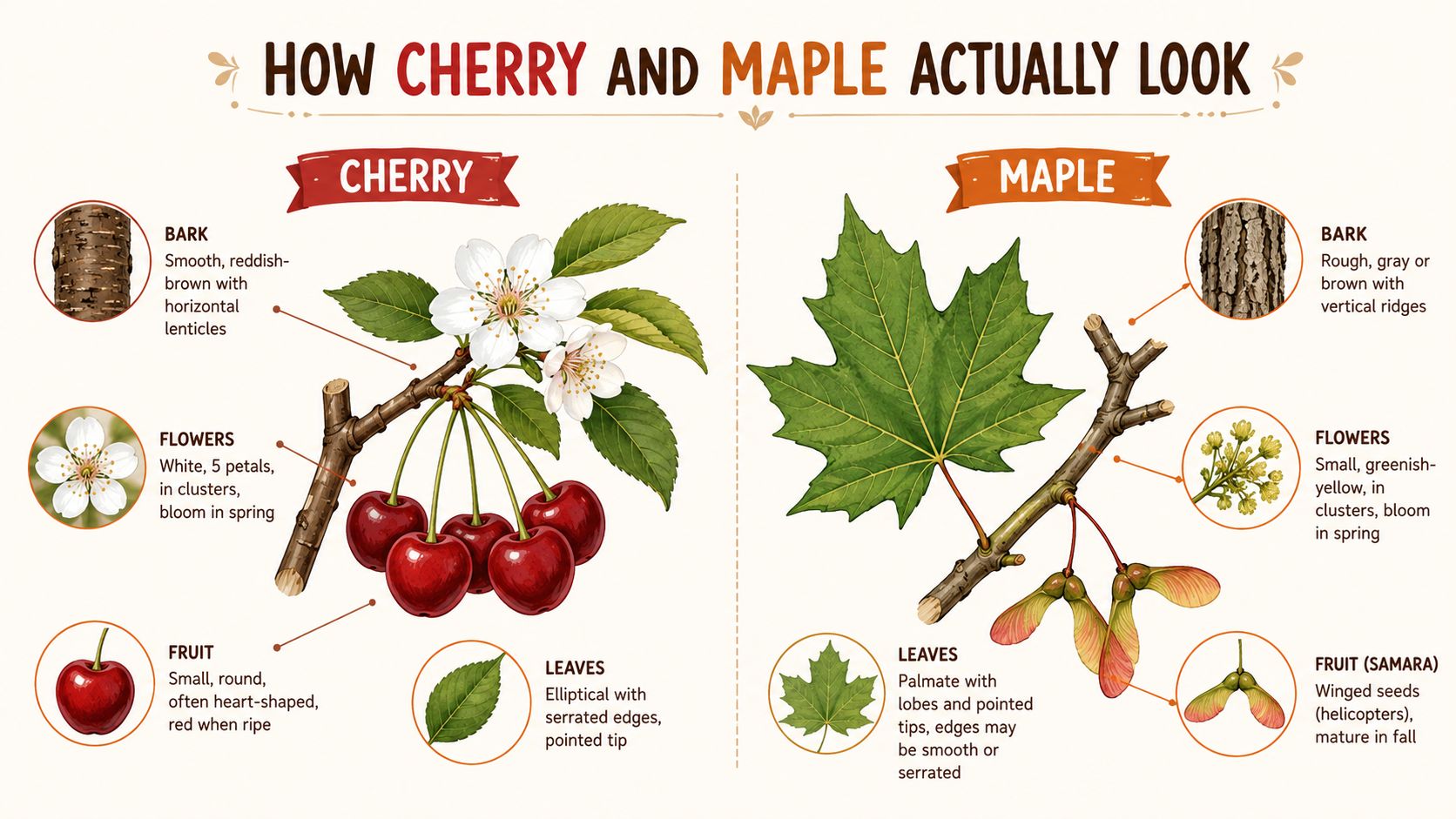
A cherry dining table can warm a Columbus living room before the first chair is pulled up to it. Maple takes the opposite approach, keeping the room lighter and more orderly. Put unfinished cherry and hard maple side by side, and the difference is immediate.
Cherry typically starts in a pale pinkish tan range, then develops a honeyed to reddish brown appearance. Its grain is usually tight and mostly straight. Mineral streaks, gum pockets, and occasional curl give selected boards more movement, which helps custom furniture feel distinctive without looking busy.
Hard maple is much lighter, closer to cream or pale wheat. Its fine, closed grain stays quiet across a broad panel, a strong fit for contemporary interiors. Flame, quilted, or birdseye figure can make a premium board more expressive, but the underlying impression remains clean and restrained.
What the hand notices
Cherry sands to a silky surface and can feel slightly waxy beneath the fingertips. Maple feels denser and more glassy under a smooth finish, with less pronounced texture. On a dining tabletop or bedroom drawer front, that tactile difference becomes part of the daily experience.
Finish changes the presentation, while the species still sets the foundation:
- Cherry: Warm, softly expressive, and well suited to traditional or transitional interiors.
- Hard maple: Pale, crisp, and compatible with minimalist, Scandinavian-inspired, or bright contemporary rooms.
- Cherry figure: Subtle variation adds depth without becoming visually loud.
- Maple figure: Flame, quilted, and birdseye patterns create movement for buyers who want a stronger focal point.
Choose cherry for warm trim, earth-toned upholstery, and a traditional dining room. Choose maple for white walls, pale flooring, and performance fabric seating, where preserving visual clarity matters more than adding another warm note. For a home designed around furniture that will remain in place for years, the surrounding finishes should support that decision rather than fight it.
Comfort Pure's cherry wood collection shows how cherry's color and grain read across finished pieces. Review samples beside your flooring and upholstery, not against an isolated online image.
For Columbus homeowners planning a room around cherry, these paint colors to match cherry wood offer a practical starting point. Cherry brings warmth and depth. Maple keeps the room light and composed.
Hardness, Density, and Daily Durability
A dining table in a busy Columbus home takes daily punishment from plates, homework, keys, and dropped objects. A bedroom chest usually does not. That room-level difference matters more than a hardness number alone.
Black cherry measures about 950 lbf on the Janka hardness scale, while hard maple measures about 1,450 lbf. Hard maple is therefore roughly 53% harder, and its denser structure gives it stronger resistance to dents from routine impact. For a closer look at the maple figure, see this guide to maple hardwood hardness.
| Property | Cherry | Maple |
|---|---|---|
| Janka hardness | About 950 lbf | About 1,450 lbf |
| Typical density | About 0.50 to 0.56 g/cm³ | About 0.70 g/cm³ |
| Practical character | Durable, easier to machine, warmer | Denser, heavier, more dent-resistant |
| Strongest fit | Fine furniture and lower-impact surfaces | High-wear tabletops, butcher blocks, and flooring |
Room-by-room durability
Maple earns the recommendation for a heavily used dining table, kitchen island, or work surface. It holds against dents longer, which helps preserve a clean appearance through years of family use. Cherry remains a durable domestic hardwood, though its broad exposed surfaces will show daily marks sooner.
Bedroom furniture changes the calculation. A cherry dresser, nightstand, or bed frame rarely faces concentrated impact, so its lower hardness creates little practical disadvantage. Cherry's lighter weight can also make moving or refinishing easier. Maple case goods feel noticeably denser and heavier, a trade-off worth accepting when surface resistance ranks first.
Families with children, active pets, or a low-maintenance priority should choose maple for the hardest-working rooms. The species supports the way the furniture will be used, not just the way it reads on a specification sheet.
Choose maple where impact is routine. Choose cherry where warmth, manageable weight, and graceful wear matter more.
Before committing to either species, inspect the complete construction. Top thickness, finish quality, edge treatment, and joinery determine how the piece performs over the next decade. A well-built cherry table can serve for years, while a poorly constructed maple table can still disappoint. For custom furniture, match the wood to the room's workload, then judge the build.
Stainability and Finish Behavior
Cherry and maple don't accept finish in the same way, and a showroom sample can hide that difference until a custom order reaches the workshop.
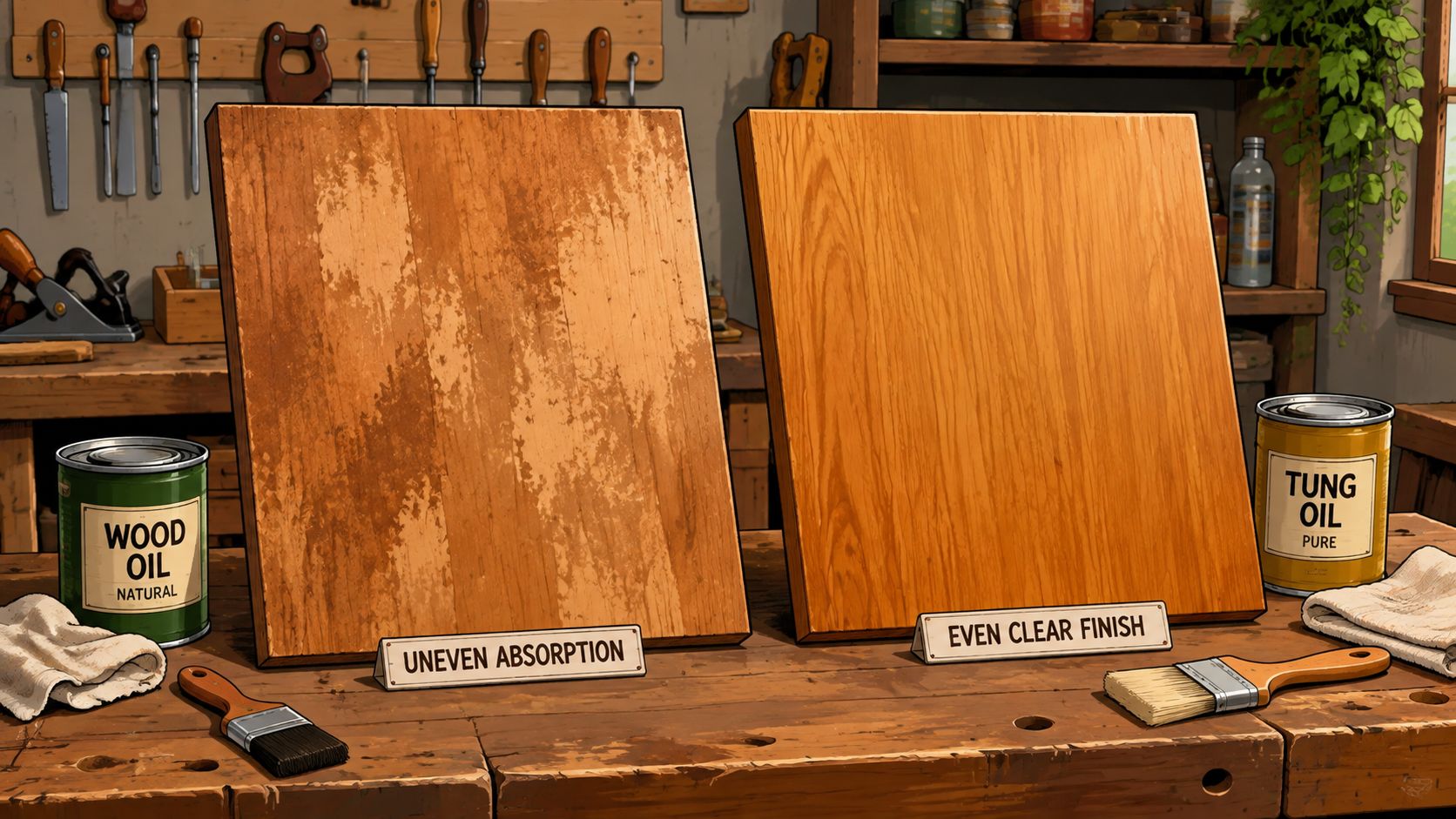
Cherry can absorb pigment unevenly, particularly when a dark stain is applied without proper preparation. A skilled finisher may use a conditioner or adjust the process before applying color. Clear Danish oil, shellac, and conversion varnish can emphasize cherry's natural warmth and produce a deep, even appearance when the finish is properly selected.
Maple presents the opposite challenge. Its dense, tight pores can resist dark stain, creating a mottled or streaked result if the finishing process isn't controlled. A conditioner or gel stain can improve consistency, but a very dark maple finish may conceal the quiet grain that makes the species appealing in the first place.
Matching the desired look
A custom buyer should describe the visual goal before naming the stain:
- Natural warmth: Clear finish on cherry usually supports the wood's own color instead of fighting it.
- Light contemporary tone: Maple works well with a clear or lightly tinted finish that preserves its pale surface.
- Very dark color: Maple requires a controlled process, while cherry may produce a warmer result than the buyer expects.
- Gray or weathered appearance: The finish must be tested on the actual species because cherry's warmth can shift a cool color, while maple may show uneven absorption.
- Ebonized effect: A dark maple treatment can look intentional, but it will place more emphasis on finish uniformity than on natural figure.
Sheen also affects ownership. A lower-sheen finish tends to soften reflections and make everyday handling less conspicuous. A higher-sheen surface can bring out grain and figure, but fingerprints, lap marks, and contact wear may become more visible on drawer fronts, chair arms, and table leaves.
The right workshop will test the finish on representative boards, not just a small color card. That step protects the homeowner from approving a color that looks right in theory but changes dramatically across cherry's varied grain or maple's dense surface.
Aging, Patina, and Color Stability Over Time
Cherry's aging behavior is its greatest design advantage and its largest long-term variable. The wood generally begins light and becomes richer with exposure to light, moving from a pinkish-brown appearance toward a deeper reddish-brown tone. Glamorwood's cherry wood guide describes this color deepening as a defining characteristic of the species.
Maple behaves more subtly. It usually stays light and develops a modest amber tone rather than reaching cherry's depth. That stability makes maple easier to coordinate when a homeowner expects to add a matching chest, chair, or occasional table later.
Planning around changing color
Cherry works best when the owner accepts patina as part of the purchase. A dining set bought together can age as a group, while a chair added later may begin noticeably lighter than the older table. That difference can soften over time, but it should be treated as a design consideration rather than an afterthought.
Uneven sunlight can create another challenge. A table leaf left under a window while another remains covered may develop at different rates. Window treatments, thoughtful rug placement, and occasional rotation of removable leaves can help moderate that contrast.
Maple offers more freedom for homeowners who want a stable light palette. It pairs cleanly with future upholstery changes, pale wall colors, and contemporary case goods without demanding that every new item match a developing reddish-brown tone.
Aging principle: Cherry is a living part of the room's palette. Maple is the steadier background.
Vinson showroom samples can help buyers judge this difference in person, especially when a homeowner compares a fresh board with a more mature finished sample. The care routine also matters, so how to care for wood furniture should be reviewed before a purchase, particularly for pieces placed near strong windows.
The investment question is direct. If color evolution sounds beautiful, cherry earns its place. If color control matters more than patina, maple is the more disciplined choice.
Best Rooms and Furniture Types for Each Wood
Cherry belongs in rooms where warmth and visual depth matter. Maple belongs where daily contact and a lighter design language matter more. That distinction gives homeowners a practical starting point for selecting Amish-made dining sets, bedroom furniture, and living-room pieces.
| Room / Furniture Type | Best Choice | Why |
|---|---|---|
| Formal dining room table | Cherry | Adds warmth and develops a richer focal point over time |
| High-use family dining table | Hard maple | Better resistance to dents on a frequently used surface |
| Traditional bedroom set | Cherry | Complements a warm, classic atmosphere and ages visibly |
| Children's bedroom case goods | Hard maple | Denser surface better suits active daily handling |
| Kitchen island or butcher-block-style surface | Hard maple | Stronger fit for repeated impact and high contact |
| Transitional living-room case piece | Cherry | Brings depth beside upholstered seating and warm flooring |
| Bright contemporary console | Hard maple | Keeps the room visually light and controlled |
Recommendations by household
For a formal dining room with upholstered chairs, traditional trim, and a desire for a centerpiece, cherry is the stronger recommendation. A cherry dining table, bed frame, or china cabinet can carry the room without relying on ornate decoration.
For a busy family room or kitchen-adjacent space, hard maple earns the nod. Its higher hardness suits console tables, kitchen islands, and pieces that receive constant contact. Maple also makes sense for children's bedroom furniture where surfaces may experience more accidental impact.
Cherry's softer surface isn't a reason to avoid it in a bedroom. It's a reason to place it where its warmth can be enjoyed without asking it to absorb the hardest daily use. Maple's density helps in high-traffic areas, though broad panels can make finishing lap marks more noticeable if the workshop doesn't apply the finish carefully.
Furniture shoppers comparing different sleep and seating configurations may also compare futon set options while thinking through room use and available space. For a permanent dining investment, solid-wood dining table guidance offers a more relevant framework for evaluating top construction, proportions, and finish.
Vinson's solid hardwood standard centers on cherry, oak, maple, and walnut. The business doesn't sell or promote engineered wood, MDF, laminate, or particle board. That matters because the species comparison only has real meaning when the table, bed, or case piece is built as a genuine solid hardwood product.
Cost, Value, and What Finished Furniture Actually Costs
Cherry does not automatically cost more than hard maple. For custom furniture buyers, grade, thickness, board width, availability, supplier, and finishing work can shift the price in either direction.
A 2026 hardwood price list lists cherry at $5.95 per board foot and hard maple at $6.75 per board foot. Frieden Lumber's product and price listings show why species reputation alone cannot establish a fixed price ranking. Another 2026 market guide places hard maple FAS at $5 to $10 per board foot and black cherry at $7 to $14 per board foot. The ranges overlap, depending on grade and specification.
| Category | Cherry | Maple |
|---|---|---|
| Example 2026 listed price | $5.95/bf | $6.75/bf |
| Another 2026 market range | $7 to $14/bf | $5 to $10/bf |
| Cost variable | Grade, width, availability, finish | Species, grade, thickness, figure |
| Value strength | Warmth, machining ease, aging character | Dent resistance, density, light color stability |
Finished furniture changes the calculation
Lumber is only one line in the cost of a finished table or bedroom set. Cherry can machine efficiently and accept certain finishes predictably, which may reduce the finished-furniture gap even when buyers expect cherry to carry a premium. Maple's density can increase weight and handling demands, while figured or higher-grade boards can raise its price.
A custom furniture buyer should ask which wood supports the intended room for the next decade. Maple can deliver stronger value for a family table that receives constant contact. Cherry can justify its cost in a formal dining room where warmth, shaping, and gradual color development matter more than hiding every mark.
The finish, proportions, joinery, and construction standard also affect value. A lower lumber price does not compensate for a poorly built solid-wood piece, and a higher species price makes more sense when the design will remain useful through future room changes.
Vinson's Low Price Guarantee provides a 110% refund of the difference when the stated conditions are met, giving local buyers a way to address price comparisons with an authorized dealer. The Clearance Gallery offers savings of up to 70% on selected floor samples, overstocks, and seasonal closeouts. Those options can change the value calculation for shoppers who accept available finishes and dimensions.
Custom orders remain the better route when exact wood, finish, size, and seating configuration matter. The showroom's Custom Order Program supports fabrics, finishes, and 3D visualizers for Smith Brothers, Canadel, and Mavin, allowing buyers to review the intended combination before production. For an investment-minded homeowner, that review helps prevent an expensive mismatch between the wood, the room, and the furniture's long-term role.
Choosing Cherry or Maple for Your Home
The direct recommendation is simple. Choose cherry when warmth, traditional character, and visible aging are priorities. Choose hard maple when daily wear, light color, and predictable coordination matter more.
Cherry is the better decision for a traditional dining room, a warm transitional interior, or a homeowner who wants furniture to deepen with the room. It suits solid cherry dining tables, bedroom sets, and case pieces that should feel established rather than stark. Its easier machining and premium furniture reputation also make it a natural fit for carefully shaped, bench-made designs.
Maple is the stronger choice for bright contemporary rooms, minimalist interiors, and households that use every surface aggressively. A maple dining table can better tolerate repeated contact, while maple bedroom case goods work well when the design calls for pale wood and clean lines. The species also gives homeowners more confidence when future additions need to remain visually compatible.
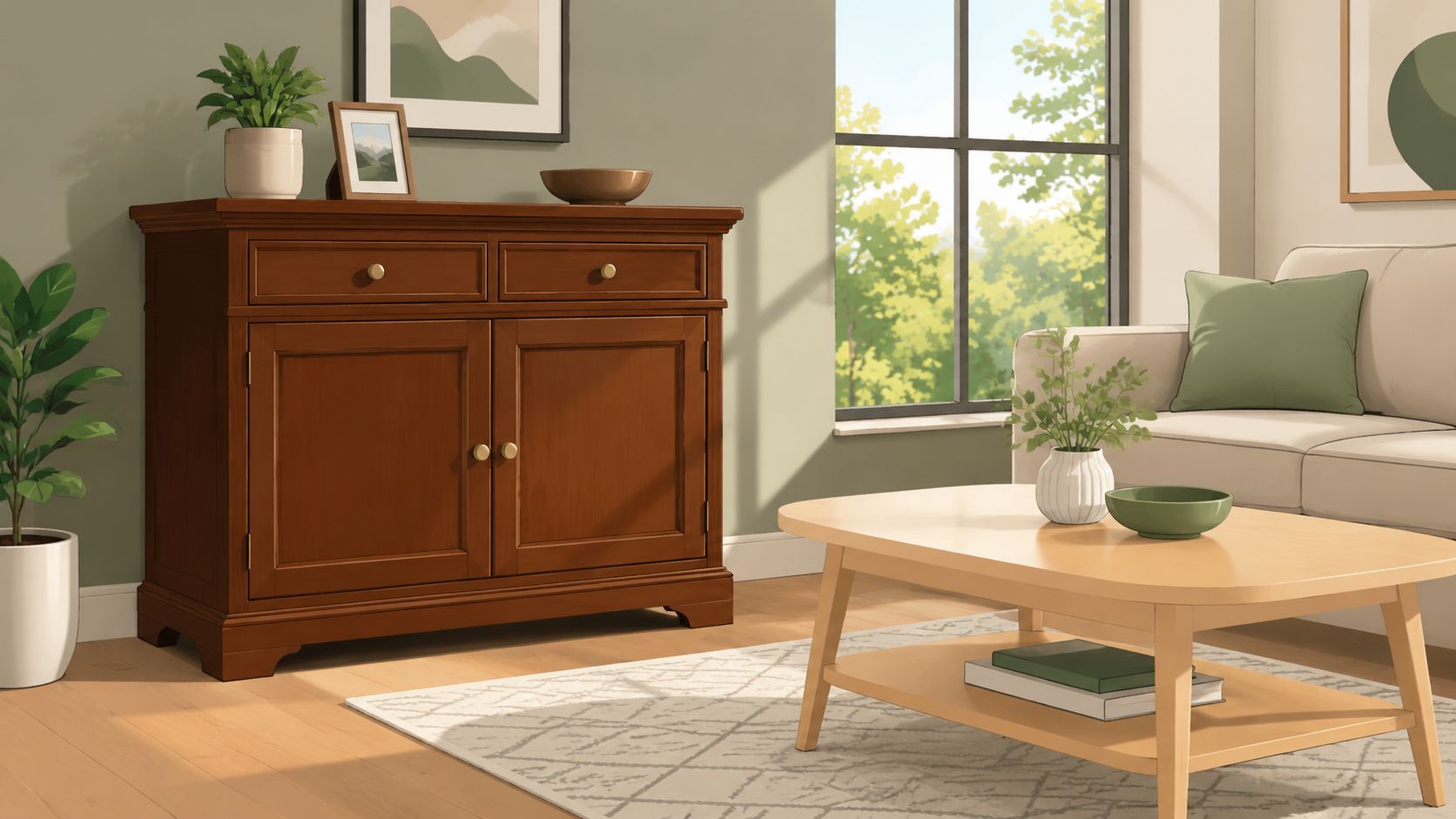
A practical decision framework
- Traditional home, formal dining, warm trim: Select cherry and let the patina become part of the room.
- Active family, high-use tabletop, children or pets: Select hard maple for its greater dent resistance.
- Bright palette, contemporary upholstery, future furniture additions: Select maple for more stable color control.
- Long-term heirloom focus with appreciation for change: Select cherry, preferably ordering related pieces together.
- Uncertain room palette: Test both samples beside existing flooring, wall color, leather, and fabric before ordering.
The Columbus design team can also bridge the two looks through finish selection and two-tone combinations. A cherry top with maple accents, or a maple case piece with warmer surrounding upholstery, can create continuity without forcing a homeowner into one species throughout the house.
Vinson Fine Furniture's In-Store Design Studio offers Complimentary Design Consultations for space planning, fabric coordination, and finish selection. Its Custom Order Program includes fabrics, finishes, and 3D visualizers for Smith Brothers of Berne, made in Indiana, Mavin, Amish-made in Ohio, and Canadel, handcrafted in Quebec. Those origin details matter to homeowners seeking American-made dining or bedroom furniture, or broader North American craftsmanship.
The showroom also gives buyers a chance to perform the test that online browsing cannot provide. A homeowner can sit in a Smith Brothers leather sectional, assess top-grain or performance leather, compare motorized power motion, and test swivel chairs, rockers, and gliders while evaluating a wood finish nearby. Solid hardwood construction remains central, whether the final room includes dining furniture, living-room seating, or bedroom case goods.
For Columbus buyers searching for Smith Brothers furniture Easton, Mavin bedroom furniture, or Custom leather sectionals Columbus, the visit should focus on proportion, touch, finish, and daily behavior. The right cherry or maple piece won't merely fill a room. It will support how the household uses that room for years.
Vinson Fine Furniture offers solid hardwood furniture, custom fabrics and finishes, 3D visualizers, Complimentary Design Consultations, White-Glove Delivery, and a Low Price Guarantee with a 110% refund under its stated conditions. Visit Vinson Fine Furniture at Easton Town Center in Columbus to compare cherry and maple in person, perform the sit-test, and select a piece built around the home's next decade.