Multifunctional Living Room Furniture: A Complete Buyer’s

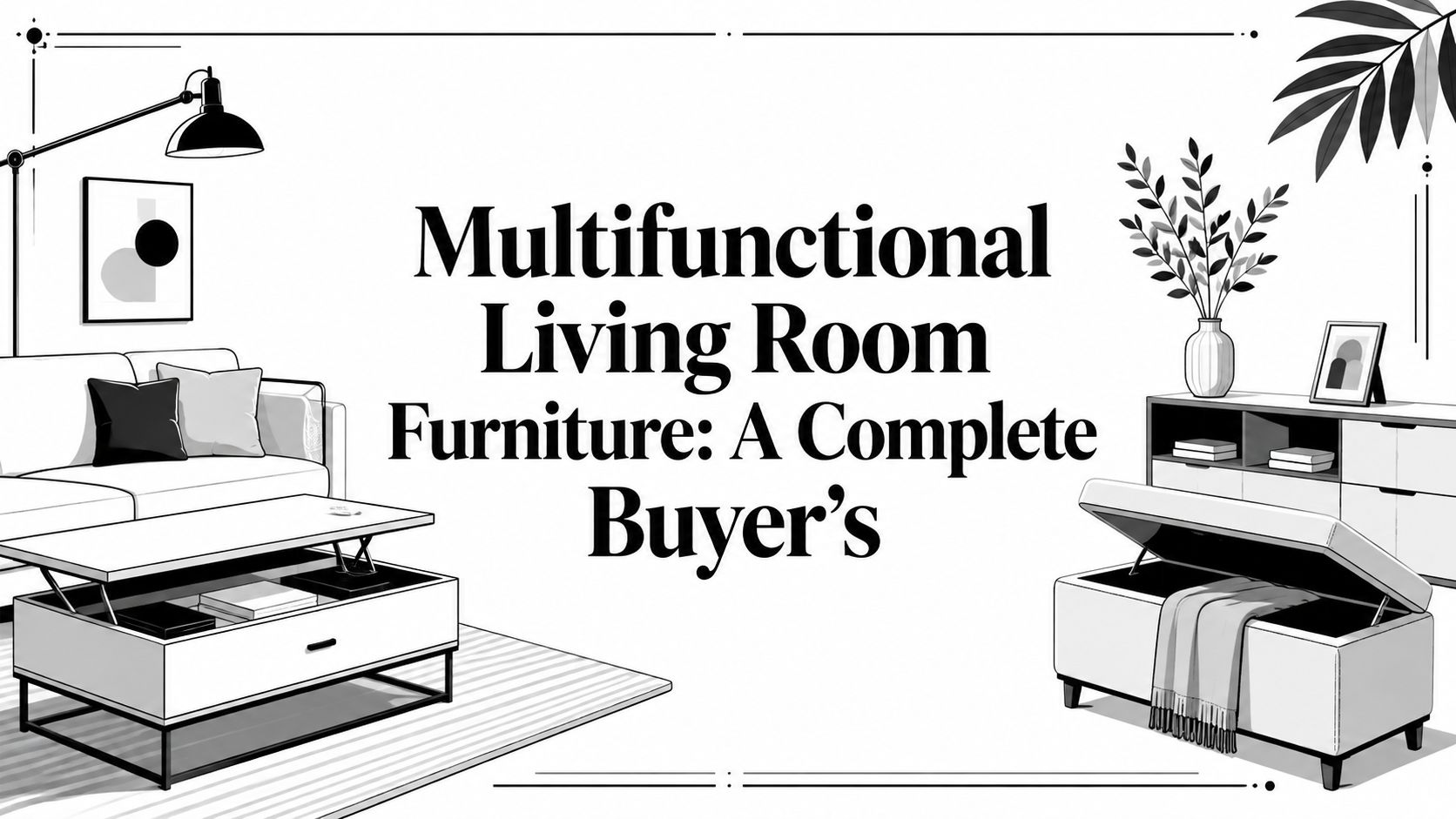
A living room in a Columbus home rarely has one job. On a weekday, it may hold a laptop and homework. On Friday, it becomes the movie room. By Sunday morning, it needs to welcome coffee, conversation, and visiting family without feeling crowded. The right multifunctional living room furniture can make that changeover feel natural, but only when comfort, construction, and proportion matter as much as clever features.
The strongest choices aren't packed with mechanisms for their own sake. They earn their floor space by serving two or three useful roles, holding up through repeated use, and still looking composed when everything is put away. For homeowners investing in long-lasting pieces, the question isn't just what transforms. It's what remains comfortable, attractive, and dependable years after the novelty fades.
When One Room Has to Do Everything
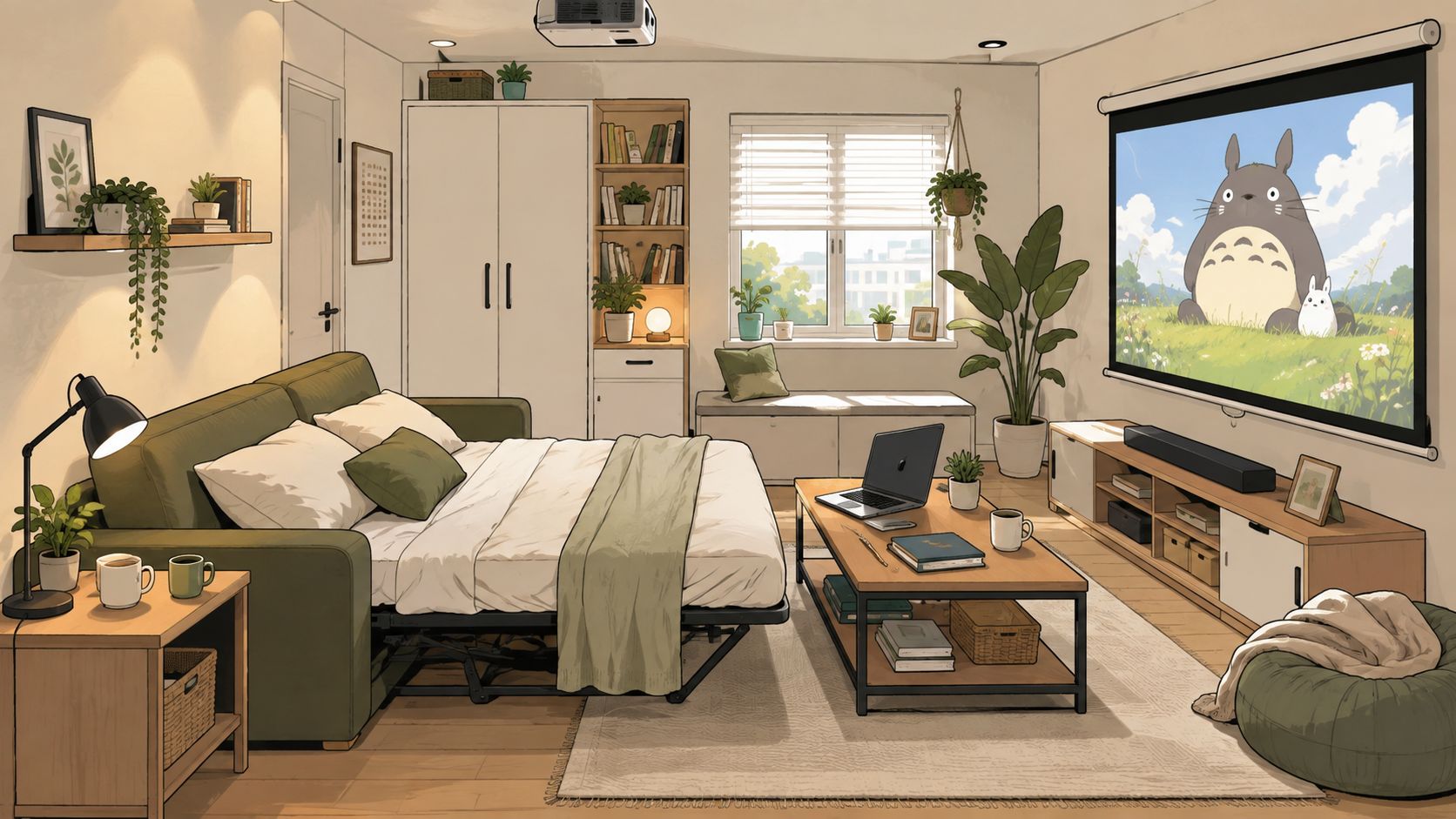
A homeowner in a smaller Easton-area condo may begin with a straightforward problem. The sofa needs to handle television, conversation, and reading. Guests occasionally need a place to sleep. A coffee table has to hold drinks, remotes, and a school project, then clear quickly when the room needs open floor space.
A sofa bed can address the overnight need without adding a permanent guest bed. A storage ottoman can keep blankets and games close at hand while serving as a footrest or occasional seat. A lift-top table can create a temporary work surface, then return to a lower profile for relaxed evenings. Each piece solves a specific inconvenience without asking the entire room to behave like a storage closet.
The category has grown beyond a niche design preference. The global multifunctional furniture market was estimated at USD 7.21 billion in 2023 and is projected to reach USD 11.21 billion by 2030, with an estimated compound annual growth rate of about 6.5% to 6.6% from 2024 through 2030, according to Grand View Research's multifunctional furniture market outlook. That scale reflects a practical shift toward furniture that responds to compact homes, changing routines, and rooms with several daily uses.
The room should change without becoming troublesome
A flexible room still needs a dependable anchor. A well-built sectional can establish the primary seating arrangement, while a swivel chair or glider lets someone turn toward the television, a conversation, or a window. Storage should remain accessible, and any sleeper or motion feature should operate smoothly enough that the household will use it.
Practical rule: A function that takes too much effort becomes decoration. Every conversion should feel intuitive, stable, and easy to reverse.
Before buying, homeowners should map entrances, windows, vents, and the route guests take through the space. A remodeling checklist such as Virtual Tour Easy's home remodeling checklist can help organize those broader room-planning questions. For a more focused look at adaptable layouts, Vinson's guide to furniture for small spaces offers a useful starting point.
The goal is simple: choose furniture that makes the room more capable without making daily life more complicated.
What Multifunctional Living Room Furniture Really Means
Multifunctional furniture earns its place when one piece handles a clear primary role and a useful secondary task. A sofa should remain comfortable for daily sitting before it opens for sleeping. A coffee table should feel stable and look considered even when its top lifts for work or dining. That standard matters in a long-term purchase, especially when a mechanism will be used repeatedly.
A practical definition covers four common combinations:
- Seating and sleeping: Sofa beds and sleeper chairs turn lounge seating into a guest surface.
- Seating and storage: Storage ottomans hold throws, games, or extra pillows while supporting feet or guests.
- Surface and storage: Lift-top tables provide a work or dining surface with storage inside.
- Configuration and zoning: Modular sectionals rearrange for conversation, media viewing, or a more open floor plan.
The category matters because every mechanism changes the ownership experience. A smooth conversion can support a busy household. A stiff hinge, weak frame, or awkward setup can make the second function irrelevant.
Three forms of flexibility
Convertible furniture changes state. A sofa bed folds or pulls out, while a recliner extends a footrest and adjusts the back. Hardware quality and operating effort decide whether those features become part of the household routine or remain occasional conveniences.
Modular systems change arrangement. Individual seating units can create a straight sofa, corner sectional, or open configuration. This flexibility suits rooms that may change with a growing family or new use, but each component must stay stable and look intentional beside the others.
Storage-integrated designs keep a second function inside a familiar form. An ottoman, table, bench, or cabinet can contain clutter without adding another visible object. The payoff is a calmer room and faster cleanup, rather than a dramatic transformation.
A peer-reviewed study of a space-saving multipurpose table found that users completed tasks about 1.1 to 1.5 times faster than with separate single-function furniture items, while the combined footprint was about 25% to 80% smaller. The authors also reported a strong, positive, and significant correlation between space-saving effectiveness and ergonomic performance in the published Springer study. The practical takeaway is narrower. Consolidating functions can reduce unnecessary movement when the design fits the user and the room. It does not make every multifunctional piece a better purchase.
The gut check before purchase
For every proposed piece, ask: Does each function work well on its own? A sleeper sofa with a stiff seat creates a daily compromise. A lift-top table that wobbles when raised fails as a work surface. Extra features add value only when the underlying furniture remains comfortable, steady, and easy to operate.
Before visiting Vinson's Easton studio, homeowners can use Vinson's guide to choosing multifunctional furniture for modern homes to identify the functions their routine requires. Bring those priorities into the showroom and test the seat, mechanism, clearances, and storage access. Choose the piece that serves the room every day, then handles its secondary job without demanding special treatment.
The Core Types Worth Considering
Long-lasting multifunctional furniture earns its floor space by serving two or three useful roles, holding up through repeated use, and still looking composed when everything is put away. Start with the room's most frequent demand, then choose a piece whose secondary function supports that routine instead of dictating it.
Multifunctional Living Room Furniture at a Glance
| Type | Primary Function | Best For | Trade-Off to Watch |
|---|---|---|---|
| Sofa bed | Seating that converts to sleeping | Occasional overnight guests | Sleeping comfort and conversion effort |
| Modular sectional | Seating that changes configuration | Rooms with evolving layouts | Components can drift or create visual bulk |
| Storage ottoman | Footrest, seat, and concealed storage | Blankets, games, and flexible seating | Interior capacity can limit what it holds |
| Nesting or stacking tables | Multiple surfaces that tuck together | Entertaining and compact rooms | Smaller tables may feel light under daily use |
| Lift-top coffee table | Coffee table, work surface, and storage | Homework, laptops, and casual dining | Raised proportions can feel awkward if oversized |
| Sleeper chair | Compact seat that opens for one guest | Tight rooms and occasional use | Limited sleeping width and lounging depth |
| Reclining or swivel seating | Adjustable comfort and directional movement | Media rooms and conversation zones | Moving parts need smooth, durable hardware |
A sofa bed earns consideration in a home with occasional overnight guests and limited floor area. Test both modes. The sofa must support everyday sitting, and the bed must open without a struggle. A sleeper chair follows the same approach for tighter rooms, with sleeping capacity limited to one person and less room for extended lounging.
Modular sectionals suit homeowners whose layouts may change. Separate pieces can form a compact L-shape now, then open a clearer path or create a play area later. Set a firm limit on depth, arm size, and module count. Adaptability has little value if the arrangement makes the room feel crowded.
Storage ottomans and lift-top tables deliver utility where the household already gathers. An ottoman keeps blankets, games, or an extra seat close at hand. A carefully chosen coffee lift-top table can hold a laptop or meal, while its closed position should still leave comfortable knee and walking clearance around the sofa.
Nesting tables help during entertaining, then tuck into a smaller footprint. Check whether the smaller surfaces feel steady enough for daily use. A table that looks convenient but shifts under a drink will spend more time stored than serving the room.
Motion seating deserves a sit-test
Reclining sofas, motorized sectionals, swivel chairs, rockers, and gliders add movement rather than storage or sleeping. Power motion lets household members choose separate positions, while a swivel chair redirects attention without being dragged across the floor. These pieces suit media rooms and conversation areas, but the mechanism must support the way you sit.
At the showroom, operate every control and listen to the motor. Check the seat angle, lumbar support, footrest extension, cushion recovery, and clearance behind the back. A smooth mechanism and supportive seat matter more than a long feature list.
A mixed arrangement usually serves the room better than one item forced to handle every task. Use a stationary sofa or sectional as the visual anchor, add a swivel chair for directional flexibility, and let an ottoman provide storage and occasional seating. At Vinson's Easton studio, test the pieces together, including the open and closed positions, before placing a custom order or committing to a configuration.
Materials and Construction That Last
Multifunctional furniture receives more handling than a stationary accent piece. Doors open, tops lift, seats extend, backs recline, and modules move. That repeated contact makes frame construction, joinery, upholstery, and hardware central to long-term value. In a showroom, inspect the parts that carry the load, not only the finish you notice first.
Vinson's hardwood standard is clear. The company sells solid hardwood furniture, with wood discussions centered on solid cherry, oak, maple, and walnut. Each species brings a different tactile presence. Oak shows open grain, cherry develops warm depth, maple offers a clean, even surface, and walnut adds richer visual character when the room needs one substantial wood element beside upholstered seating.

Joinery is a performance specification
Mortise-and-tenon joinery creates broad wood-to-wood contact and helps keep parts aligned under repeated pressure. Its performance depends on the tenon's geometry, fit, adhesive, wood species, moisture content, and grain orientation, as explained in this furniture joinery comparison. For a table, cabinet, or wood-framed component that will be handled often, this construction detail matters more than surface finish alone.
Apply the same scrutiny to upholstered furniture. A sectional that changes configuration needs a stable frame and dependable connectors. A recliner should move without grinding, catching, or forcing an awkward posture. A sofa bed needs a conversion system that feels controlled in your hands rather than flimsy.
Upholstery should match the household
Top-grain leather has a natural surface, visible grain, and a supple hand that develops character with care. Performance leather offers practical resistance for active rooms, while performance fabrics provide softer textures and a broader range of colors for households managing everyday wear.
| Upholstery choice | Tactile character | Strong fit | Question to ask |
|---|---|---|---|
| Top-grain leather | Smooth, substantial, and naturally varied | Formal living rooms and long-term seating | How will the surface age and be maintained? |
| Performance leather | Durable-feeling and easy to live with | High-use seating and motion pieces | Does the finish feel comfortable in every season? |
| Performance fabric | Soft, textured, and highly adaptable | Family rooms and varied design schemes | How will cleaning and cushion upkeep fit the routine? |
Review this guide to upholstery materials before choosing a covering. The correct material is the one that feels good, suits the household's maintenance habits, and supports the expected use. At Vinson's Easton studio, handle the samples, sit on the cushions, and operate the moving parts before placing a custom order. That showroom test reveals whether the piece will remain comfortable and dependable after the novelty fades.
Matching Pieces to Your Room and Your Routine
The floor plan should decide the furniture, not the other way around. Before selecting a sectional or sofa bed, homeowners should mark the room's main entrance, the television sightline, windows, door swings, and the path to adjacent rooms. A beautiful piece that blocks circulation will feel wrong every evening.
Start with the room's anchor. In a compact space, that may be a smaller sofa or apartment-scale sectional. In a broader family room, a modular sectional can create a conversation zone while leaving room for a swivel chair or rocker. The goal is to preserve a clear route around the seating rather than fill every open edge.
Build around actual routines
A household that hosts overnight guests needs a different configuration from one that works at the coffee table every afternoon. The decision framework should follow use:
- Name the dominant activity. Decide whether television, conversation, reading, entertaining, or temporary work occupies the most time.
- Identify the occasional demand. Choose the secondary function that solves a real problem, such as sleeping, storage, or extra seating.
- Reserve the circulation paths. Keep entrances, walkways, and cabinet access clear before adding another module.
- Test the conversion. The sofa bed, lift-top, recliner, or storage lid should operate without moving several other pieces.
- Review the room at rest. When the secondary function disappears, the furniture should still look balanced.
A modular furniture engineering study standardized a 700 mm module unit after dividing a design into three equal parts based on a 1950 mm bed length, with the goal of minimizing dead space and improving movement optimization. The study supports a practical principle for living rooms: modular dimensions should relate to common room constraints and body-scale needs so pieces can rearrange without sacrificing usability. Those measurements come from the modular storage furniture study, not from a universal living room formula.
Keep the styling calm
A multifunctional room looks intentional when the visual hierarchy stays simple. One substantial rug can anchor the seating group, while a coffee table should leave comfortable access from the sofa and avoid crowding knees. Rounded ottomans and softened table edges can make busy paths feel less abrupt.
Use wood strategically. A solid oak or maple table can give a room warmth, while upholstered seating handles the visual bulk. Leave some breathing room around larger pieces instead of adding narrow furniture to every unused wall.
Room test: Stand at the entrance and follow the route a guest would take. If the first impression is furniture to navigate around, the layout needs editing.
The final test happens with the room in motion. The sleeper should open, the recliner should extend, the ottoman should move, and the table should lift without competing with the people using them. That is where a floor plan becomes a livable room.
Customization Options That Make Multifunctional Pieces Yours
Off-the-shelf multifunctional furniture often fails at the same points: the depth feels wrong, the fabric clashes with the adjoining room, or the configuration wastes a corner. Custom ordering addresses those problems before the piece enters the home.
Vinson's Custom Order Program supports fabric, finish, and configuration decisions for partner lines including Smith Brothers of Berne, Canadel, and Mavin. Smith Brothers is made in Indiana, USA. Mavin is Amish-made in Ohio, USA. Canadel is handcrafted in Quebec, Canada. Together, these brands give Columbus homeowners access to American-made and North American-crafted options without treating customization as an afterthought.
The design studio turns choices into a plan
The In-Store Design Studio provides a place to work through proportions, upholstery, wood character, and configuration with professional guidance. Complimentary Design Consultations can help a homeowner decide whether a modular sectional should face the television, float in the room, or create a boundary between living and dining areas.
The process should begin with the room, not a fabric swatch. Measurements, photographs, door clearances, and the household's routines give the design consultant the information needed to shape a useful configuration. Dimensional adjustments can prevent a sofa bed from overwhelming a walkway or allow a storage piece to fit beneath a window line.
Visualization reduces expensive guesswork
A 3D furniture configurator lets shoppers customize fabrics, finishes, leg styles, dimensions, and modular components while viewing a photorealistic model from multiple angles. Independent industry material describes these tools as real-time visualizers, and some platforms support hundreds of fabric, color, and configuration combinations, as documented by this furniture visualization source.
That matters because multifunctional pieces already ask the eye to accept more than one role. A 3D view can reveal whether a sectional looks too heavy in a darker fabric, whether a wood finish coordinates with nearby dining furniture, or whether a chaise creates an awkward visual stop.
The best custom order isn't the one with the most decisions. It's the one that solves a defined room problem. Smith Brothers can suit a custom leather sectional in Columbus, Mavin can support a locally made solid wood bedroom direction when the home is being furnished across rooms, and Canadel can bring coordinated North American craftsmanship to adjacent dining spaces. The showroom sit-test remains essential. Digital visualization shows the look, but only the showroom reveals seat depth, cushion support, leather hand, recline angle, and the effort required to change the piece.
Value, Delivery, and Your Next Step in Columbus
A long-term furniture decision needs more than an attractive price tag. Vinson's Low Price Guarantee provides a 110% refund of the difference if a lower price is found at a local authorized dealer within the stated policy conditions. The Clearance Gallery offers savings of up to 70% on floor samples, overstocks, and seasonal closeouts, giving value-focused homeowners another way to purchase premium furniture.
Financing through the Synchrony HOME Credit Card can help qualified buyers spread the cost of a larger furnishing plan. The decision should still begin with construction, comfort, and fit. Financing makes a sound purchase easier to manage, but it doesn't make an unsuitable piece better.
Delivery is part of ownership. Vinson's White-Glove Delivery service includes inspection, documentation of condition, careful placement, assembly, and packaging removal. White-glove service descriptions commonly include checking the furniture, recording visible damage when needed, communicating issues before final delivery, and completing placement inside the home, which matters when a solid hardwood table or large sectional requires deliberate handling.
The Easton Town Center showroom gives Columbus and Central Ohio homeowners a place to sit-test motion seating, compare top-grain and performance leather, feel solid oak, maple, cherry, or walnut, and review configurations with a design consultant. That physical evaluation is especially important for multifunctional pieces because comfort over time can't be judged from a photograph.
Vinson Fine Furniture offers solid hardwood furniture, custom fabrics and finishes, premium leather sectionals, reclining and swivel seating, design consultations, value programs, and white-glove delivery for Columbus homeowners. Visit Vinson Fine Furniture at Easton Town Center to sit-test multifunctional living room furniture and book a complimentary consultation for a room designed around real daily life.