8 Elegant Dining Table Setup Ideas for 2026

Beyond the Meal: Crafting Memories Around Your Table
The dining table carries more than plates and serving bowls. It holds rushed weekday breakfasts, long Sunday conversations, holiday toasts, and the familiar rhythm of everyday family life. A beautiful setup matters, but the foundation matters more. When the table itself is bench-made from solid cherry, oak, maple, or walnut, the entire room feels steadier, warmer, and more intentional.
That's why strong dining table setup ideas should start with the furniture, not with disposable accessories. A solid hardwood table from makers like Canadel or Mavin brings grain, weight, and permanence that no styling trick can fake. The setup then becomes an extension of that craftsmanship, not a cover-up for a weak piece.
For homeowners in Columbus and greater Central Ohio, the smartest approach is to style for longevity. A setting should look polished on an ordinary Wednesday and still rise to the occasion when guests arrive. Readers looking for service-driven inspiration can also browse actionable table setting tips for restaurants for another perspective on practical presentation. The ideas below stay rooted in residential living, with a sharper focus on heirloom furniture, lasting value, and rooms that feel lived in rather than staged.
Table of Contents
- 1. The Modern Minimalist
- 2. The Traditional Formal
- 3. The Rustic Farmhouse
- 4. The Layered Transitional
- 5. The Small-Space Solution
- 6. The Weekend Brunch
- 7. The Holiday Host
- 8. The Texture-Rich Layer
- 8-Style Dining Table Setup Comparison
- Your Vision, Bench-Made: Design Your Perfect Dining Space
1. The Modern Minimalist
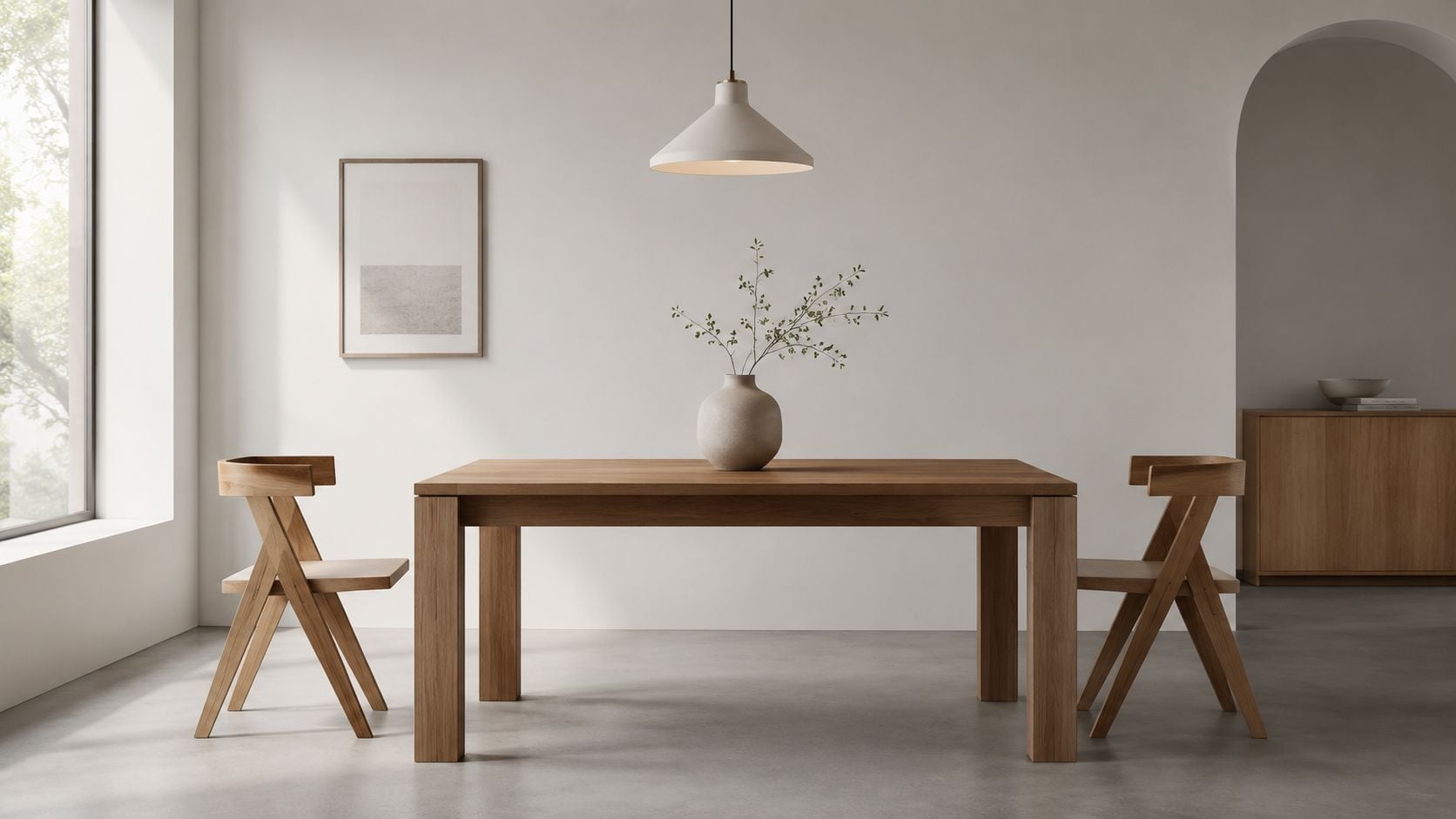
A minimalist dining setup works best when the table has something worth showing off. On a solid walnut or maple top, the grain becomes the visual event. Instead of crowding the surface, a homeowner should clear it back and let the material carry the room.
This approach suits custom pieces especially well. A Mavin dining table with a rich wood pattern or a Canadel design in a specific finish doesn't need decoration piled on top of it. It needs breathing room, crisp place settings, and seating with enough softness to keep the room from feeling severe.
Let the wood lead
The strongest minimalist dining table setup ideas rely on control.
- Choose one dominant material: Solid cherry, oak, maple, or walnut should stay visible, not hidden under a full cloth.
- Keep the palette disciplined: Display guidance recommends limiting the visual scheme to 3–4 colors with neutrals as the base, which translates beautifully to dining rooms that need calm rather than noise.
- Add one refined contrast: Matte black flatware, brushed brass candleholders, or a single ceramic vessel gives the wood a sharper outline.
Practical rule: Minimalism isn't about emptiness. It's about showing restraint so the table's craftsmanship stays in focus.
A realistic setup might include a low linen runner, stoneware dinner plates, clear stemware, and one sculptural vase centered on the table. Upholstered dining chairs add another layer of comfort. Smith Brothers seating, especially in a refined neutral fabric or top-grain leather, gives the room a softer edge without weakening the clean-lined look.
Homeowners who love this direction usually respond well to mastering minimalism without feeling cluttered. It supports the same principle. Edit harder, choose better, and let fewer pieces work harder.
2. The Traditional Formal
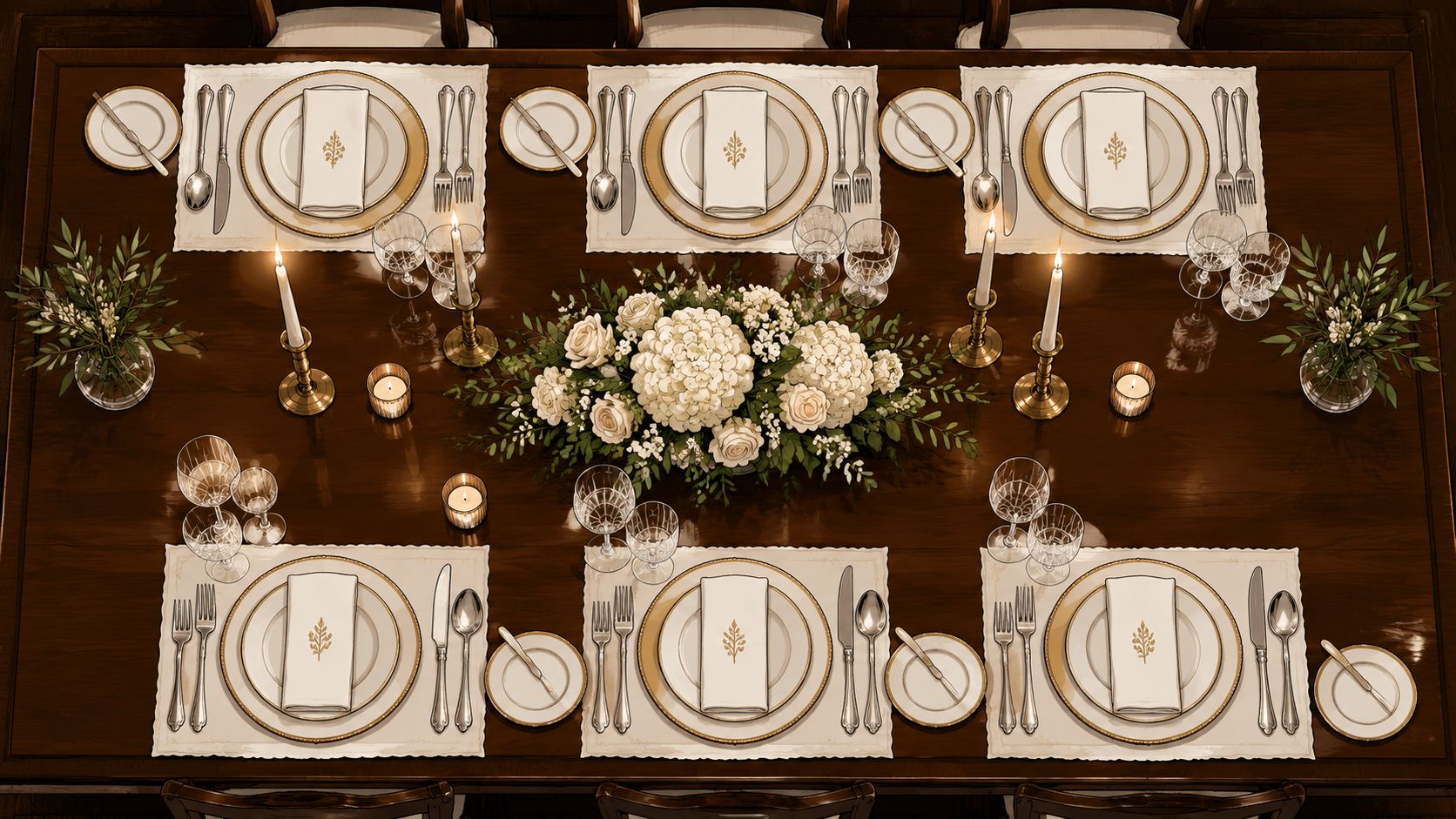
Formal dining still earns its place. It turns an ordinary meal into an occasion and gives a solid wood dining set the sense of ceremony it deserves. In the right room, a substantial Amish-made table, paired with fully set places, layered linens, and warm lighting, never feels outdated. It feels established.
This style depends on proportion and presence. Thin, temporary furniture falls flat in a formal setting because it can't support the visual weight of chargers, crystal, serving pieces, and candlelight. A solid hardwood base gives the arrangement the gravitas it needs.
Build a setting with presence
Traditional formality improves when every layer has a purpose.
- Start with appropriate linens: A pressed cloth or runner sets the tone immediately.
- Use complete place settings: Charger, dinner plate, salad plate, glassware, and folded napkin create rhythm across the table.
- Add guest-specific detail: Place cards or a small floral accent make the setup feel considered instead of generic.
A chandelier on a dimmer should carry the overhead mood, while candles on the table soften faces and deepen the finish of the wood. For seating, formal doesn't have to mean rigid. Dining chairs with supportive upholstery or top-grain leather bring comfort to longer evenings and make a better investment for frequent hosts.
A formal table should feel welcoming, not museum-like. Guests should notice the care, then settle in comfortably.
Readers drawn to classic rooms often enjoy traditional design style guidance, especially when pairing heirloom wood with upholstered seating. For entertaining details beyond the dinner course, choosing the right tea set for elegant service can complement the same mood beautifully.
3. The Rustic Farmhouse
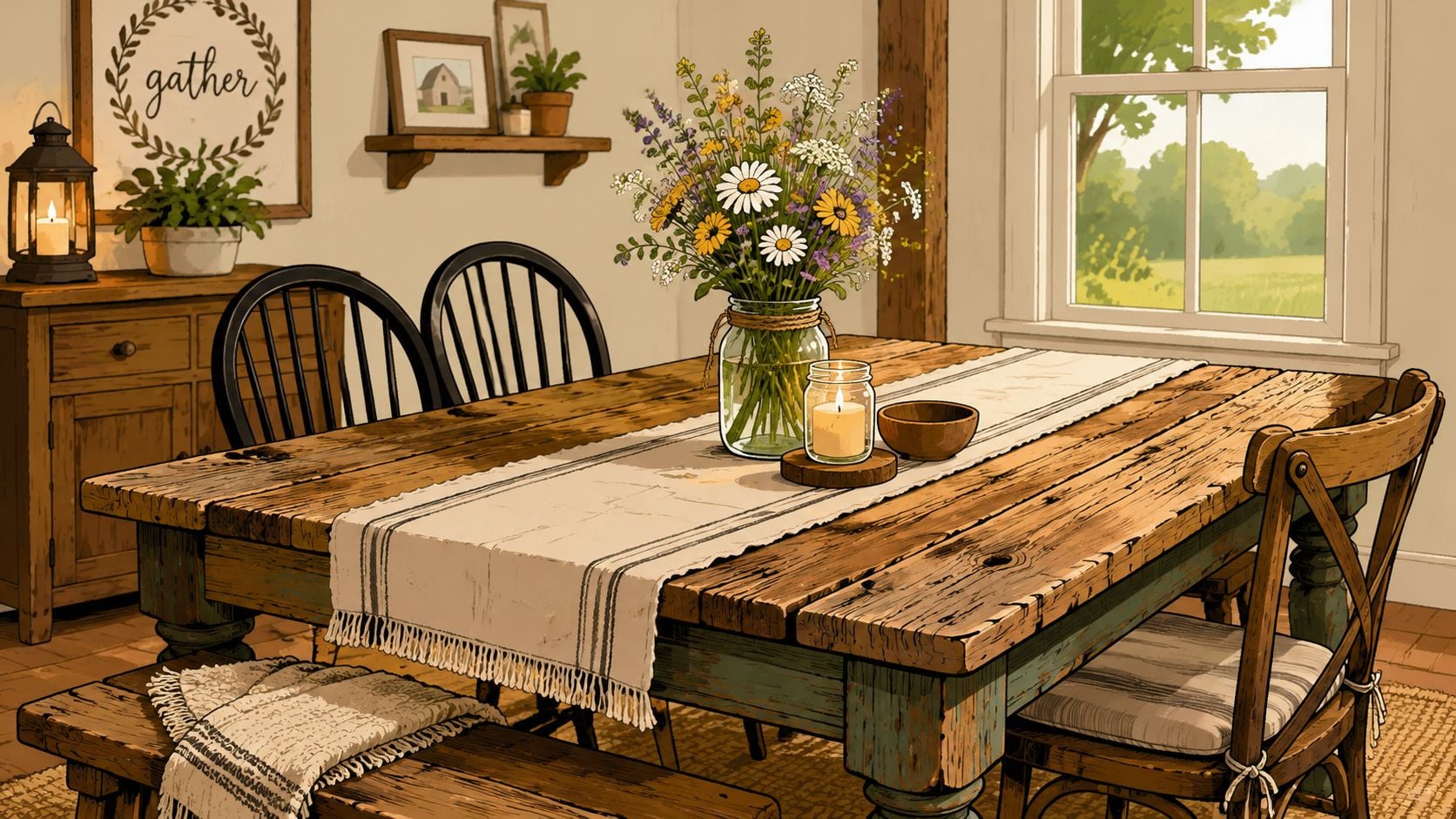
Farmhouse styling works because it feels open-handed. It invites people to sit down, pass the bowl, and stay a while. That warmth lands best on a table with real weight and character, especially an Amish-made solid wood piece that can absorb years of family use and still look better with age.
A rustic setup shouldn't be confused with a rough one. Good farmhouse design balances substantial materials with thoughtful editing. The wood can be bold, the seating can mix, and the centerpiece can feel gathered rather than arranged.
Keep it generous, not fussy
A farmhouse table should never disappear under layers of decor. The better move is to let the solid wood top stay visible and add texture around it.
Consider these combinations:
- Expose the tabletop: Skip the full tablecloth and use woven placemats or a narrow runner.
- Mix the seating: A Mavin table with upholstered side chairs and a bench on one side creates a room that feels collected over time.
- Choose natural accents: Seasonal stems, a crock of greenery, ceramic pitchers, and wooden serving boards keep the look grounded.
One useful styling principle comes from long-running centerpiece guidance. Arranging 3 or 5 objects, or a casual grouping of three to five pieces with a tall and low element plus something natural creates a composition that feels balanced without becoming stiff. That's ideal for farmhouse rooms, where asymmetry and ease matter.
A real-world version might include a solid oak trestle table, woven chargers, stoneware bowls, linen napkins, and a trio of vessels holding clipped branches. Homeowners looking for furniture with this character should browse farmhouse dining tables built around solid wood presence. The room should feel durable first, decorated second.
4. The Layered Transitional
A transitional dining room earns its place year after year because it respects the furniture first. Start with a solid hardwood table that has classic proportions and a finish with depth, then add cleaner shapes around it. That approach gives you a room that feels current without dating the piece that matters most.
This style works especially well with heirloom-minded brands such as Canadel and Mavin. Their bench-made tables carry the visual weight. Your job is to support that presence with contrast, not cover it up.
Mix structure with comfort
A good transitional setup usually starts with a rectangular hardwood table, then softens the lines with upholstered host and side chairs. Keep the silhouette disciplined. Skip ornate carvings, heavy china displays, and anything too stark or cold. Transitional rooms succeed through balance, and balance comes from choosing a few finishes that repeat with purpose.
Lighting should sharpen the room. A black or aged-metal chandelier adds definition above warm wood. On the table, use smooth dinnerware, cloth napkins, and one low centerpiece with real substance, such as a ceramic bowl or a substantial vessel with restrained greenery. The goal is depth, not clutter.
One useful rule here is to spend your visual energy on a single statement element, then keep the rest quiet. That might be the grain on a cherry tabletop, a textured runner, or the chair fabric. Once one feature takes the lead, the room feels composed instead of busy.
- Start with lasting material: A solid hardwood table should be the anchor.
- Add softness through seating: Upholstery, curved chair backs, or a subtle fabric pattern work better than decorative excess.
- Use contrast carefully: Matte metal, smooth ceramics, and woven textiles keep the room from feeling flat.
- Limit the accessories: A few strong pieces always outperform a crowded table.
For many homes, this style also overlaps with practical scale decisions. If your dining room needs flexibility without losing presence, these solid wood furniture ideas for small spaces show how to keep the room efficient and polished.
Transitional rooms look expensive when every choice relates back to the table. That is the standard to keep. Let the hardwood carry the history, then layer in comfort and restraint around it.
5. The Small-Space Solution
A smaller dining area demands discipline. The setup has to look polished, but it also has to let people move comfortably through the room. In Columbus homes with open plans, narrow footprints, or pass-through dining spaces, layout matters just as much as styling.
The best answer is usually a solid wood table scaled correctly for the room. A round pedestal design often works especially well because it softens corners, improves seating flexibility, and keeps the footprint visually lighter than a bulky leg table.
Make circulation part of the design
Awkward dining rooms need practical decisions, not decorative distractions. One especially useful layout recommendation for pass-through spaces is to rotate the table perpendicular to its original position, center it between openings, consider a round or oval table with leaves, and use flexible pieces like benches or a rolling bar cart rather than fixed built-ins, as outlined in this pass-through dining room layout discussion. That advice applies directly to many smaller homes.
For the setup itself, keep the top controlled and light.
- Choose armless chairs: They tuck in more cleanly and reduce visual bulk.
- Use a low centerpiece: Nothing should interrupt sightlines in a compact room.
- Stay light in tone: Pale linens, simple ceramics, and restrained accents make the space feel more open.
A custom Canadel table is especially helpful here because size and finish can be adapted to the room instead of forcing the room to accept the wrong dimensions. Homeowners planning a compact dining zone can also explore furniture ideas for small spaces. Vinson's Low Price Guarantee with a 110% refund on a qualifying local price difference also gives budget-conscious buyers a practical reason to invest in the right solid hardwood piece once, rather than replace an undersized or poorly scaled table later.
6. The Weekend Brunch
Brunch settings should feel bright, easy, and a little relaxed. They don't need the full ceremony of a holiday dinner, but they do need enough structure to feel intentional. A solid wood table gives that setup instant warmth, especially when morning light catches the grain.
This is one of the most forgiving dining table setup ideas because the food itself becomes part of the styling. A bowl of citrus, a pastry stand, a carafe of juice, and a coffee service all add color and shape without forcing the room into formality.
Build a bright, easy centerpiece
The most inviting brunch tables keep the center simple and the edges usable. A linen runner, a small vase of loose flowers, or a compact pot of herbs is enough. Fresh elements keep the table from feeling overdesigned, and they pair naturally with solid cherry, oak, or maple.
A practical brunch setup often looks like this:
- Runner instead of cloth: It keeps the wood visible and the mood casual.
- Everyday dinnerware: Neutral plates make the food stand out.
- Comfort-first seating: Cushioned chairs or swivel seats make long coffee conversations easier.
Natural light does half the design work at brunch. The setup should support it, not compete with it.
A round table is especially strong for this occasion because conversation moves easily and no one feels stuck at the far end. In the Easton showroom, homeowners can do the sit-test on Smith Brothers seating and compare fabric and leather options in person. That tactile step matters. A brunch room should look relaxed, but the comfort should still feel deliberate and lasting.
7. The Holiday Host
Holiday dining asks more from a table than any other occasion. It has to expand, perform, and still look graceful under pressure. That makes an extendable solid wood dining table one of the most practical long-term purchases a homeowner can make, especially in a room that hosts both everyday meals and larger gatherings.
Canadel tables excel here because customization matters during the holidays. Size, finish, edge detail, and chair pairing all affect how the room functions when extra leaves go in and the guest list grows. A strong table setup should support abundance without slipping into visual overload.
Layer for occasion, not clutter
Holiday styling benefits from richness, but it still needs discipline. Use a velvet or jacquard runner, candlelight, polished serveware, and one concentrated centerpiece rather than scattering decor across every open inch.
A polished holiday arrangement often includes:
- An expandable table: Leaves allow the room to adapt without changing character.
- One central focal point: Florals, greenery, or candles should stay contained.
- Chair details: Ribbon, a seasonal stem, or a small ornament on each chair back adds ceremony.
For hosts who want warmth without chaos, holiday hosting guidance for entertaining at home offers useful seasonal inspiration. For mood-building, creating holiday hygge through soft lighting and layered comfort aligns naturally with this kind of table.
White-Glove Delivery becomes especially important in this category. A larger dining table arrives, gets assembled correctly, and enters the home ready to host. That kind of service matters when the piece is solid hardwood and built to stay for decades.
8. The Texture-Rich Layer
Some dining rooms succeed because of color. Others succeed because of touch. A texture-rich setup makes the room feel complete before anyone even sits down. The table surface, the upholstery, the linen, the ceramics, and the metal finishes all work together to create depth.
This idea shines in homes that already value material honesty. A wire-brushed oak top, a smooth walnut edge, or a hand-finished maple surface has tactile character that shouldn't be flattened by overly glossy accessories. The room should invite contact.
Let touch do the work
Texture starts with the furniture. An Amish-made solid wood table provides natural variation, and a top-grain leather dining chair introduces a completely different sensation. That contrast, cool leather against warm wood, creates a room that feels collected and grounded.
Layer the setup carefully:
- Use matte dinnerware: It softens reflections and lets the wood finish stay prominent.
- Add soft fabric: Linen napkins, a woven runner, or seat cushions deepen the tactile mix.
- Bring in restrained metal: Aged brass, blackened steel, or brushed finishes sharpen the composition.
The best texture-rich rooms aren't busy. They're balanced. Smooth, soft, rough, and polished each get a role.
This style is where the Easton Town Center showroom becomes especially valuable. Photographs can't fully communicate the weight of solid maple, the grain of walnut, or the buttery hand of premium leather. A homeowner can compare finishes in person, bring samples to the In-Store Design Studio, and use complimentary design consultations to build a room that feels as good as it looks. The same Custom Order Program that supports dining also extends into motion seating, including swivel chairs, recliners, rockers, gliders, and custom leather sectionals for adjacent open-plan living spaces.
8-Style Dining Table Setup Comparison
| Style | Implementation complexity | Resource requirements | Expected outcomes | Ideal use cases | Key advantages |
|---|---|---|---|---|---|
| The Modern Minimalist: Less is More | Medium, precise selection and scale | Few high-quality pieces, statement lighting | Clean, refined, uncluttered presentation | Contemporary homes, showpiece tables, small gatherings | Timeless, low-clutter, highlights craftsmanship |
| The Traditional Formal: An Ode to Elegance | High, layered place settings and symmetry | Extensive tableware, fine linens, heirloom furniture | Formal, elegant, ceremonial atmosphere | Holiday dinners, formal entertaining, special occasions | Highly polished presentation, timeless sophistication |
| The Rustic Farmhouse: Warmth and Welcome | Low–Medium, casual assembly, mix-and-match | Solid wood table, mixed seating, organic textiles | Warm, inviting, lived-in comfort | Family meals, everyday dining, casual entertaining | Durable, approachable, communal and cozy |
| The Layered Transitional: A Perfect Balance | Medium, careful curation of styles | Quality classic pieces plus modern accents | Versatile, balanced, enduring aesthetic | Investment homeowners, adaptable living spaces | Flexible, timeless-yet-contemporary, broadly appealing |
| The Small-Space Solution: Smart and Stylish | Low–Medium, focus on scale and function | Compact or multifunctional furniture, lightweight pieces | Efficient, airy, functional dining in tight areas | Apartments, nooks, small urban homes | Space-saving, functional without sacrificing quality |
| The Weekend Brunch: Casual and Bright | Low, simple, relaxed setup | Light wood table, casual serveware, fresh elements | Bright, cheerful, sociable atmosphere | Casual gatherings, brunches, daytime entertaining | Informal, easy to assemble, welcoming |
| The Holiday Host: Festive and Abundant | High, extensive layering and scalability | Extendable table, specialty linens, extra settings | Festive, abundant, celebratory presentation | Large holiday meals, formal parties, seasonal events | Scalable seating, dramatic and memorable displays |
| The Texture-Rich Layer: Tactile and Cozy | Medium, thoughtful material mixing | Diverse materials (wood, leather, linen, ceramics) | Cozy, tactile, visually rich dining experience | Designer-focused homes, intimate dinners | Sensory depth, curated personality, layered warmth |
Your Vision, Bench-Made: Design Your Perfect Dining Space
You clear the dishes after a busy Wednesday dinner, and the room still looks right. That is the test. A strong dining setup starts with a table that holds its own when the candles, runners, and seasonal styling are gone.
Solid hardwood earns that role. Real wood grain adds depth, weight, and warmth that veneer and disposable furniture cannot fake. A well-made table also gives you more freedom. You can set it for quiet family meals, formal holidays, or casual brunches without losing the character of the piece itself.
That is why smart buyers start with craftsmanship. Amish-made dining sets and bench-built collections from Canadel and Mavin offer staying power, not short-term trend appeal. These are pieces you keep, refinish if needed, and restyle for years as your home changes.
Vinson Fine Furniture approaches the process the right way. At the Easton showroom, homeowners can compare wood species, finishes, proportions, and chair pairings in person. The In-Store Design Studio, complimentary consultations, and Custom Order Program help you build a dining room with intention, from table scale to fabric, leather, and finish choices. The 3D visualizers make those decisions easier before the order goes into production.
Value matters too.
A lower-quality table often costs less once, then costs more again when it loosens, chips, or looks dated. Vinson's Low Price Guarantee and Clearance Gallery give buyers practical ways to invest in better construction without treating the dining room like a throwaway purchase.
For open-concept homes, the dining space also needs to relate to the rooms around it. Coordinated upholstery and case goods keep the transition from dining to living areas consistent in tone and quality. That matters when your table is a long-term anchor piece, not a placeholder.
Solid wood furniture should look convincing on day one and even better after years of real use. The right setup does exactly that. It frames the craftsmanship, respects the proportions of the room, and lets an heirloom-quality table do what it was built to do.
Vinson Fine Furniture offers a practical next step for homeowners ready to upgrade the dining room with solid hardwood, Amish craftsmanship, and customized design support. Visit the Easton Town Center showroom to compare Canadel, Mavin, and Smith Brothers pieces in person, work through finish and fabric options with the design team, and build a dining space that fits the home for years to come.